Afghanistan’s Kajaki Dam Continues Power Production Despite Water Shortage, New Solar and Thermal Energies Support Southern Regions
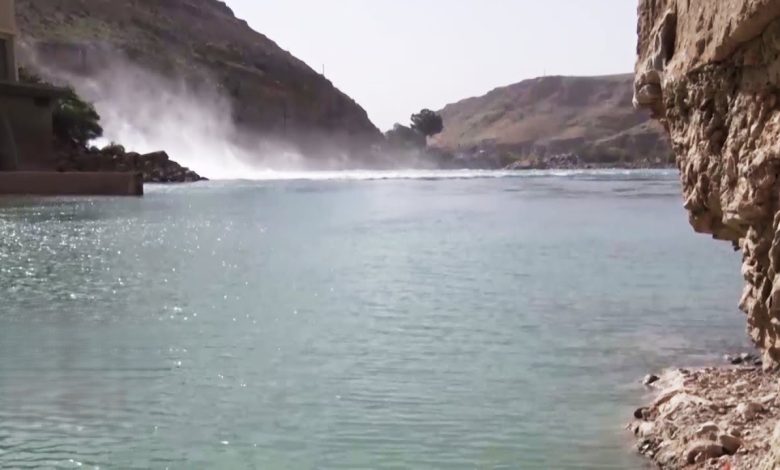
Afghanistan’s national electricity company, Da Afghanistan Breshna Sherkat (DABS), announced that in the month of Qaws this year, nearly 15,000 megawatt-hours of electricity were generated from the Kajaki dam despite a significant drop in water levels. This electricity has been transmitted to Helmand and Kandahar provinces. Along with solar and thermal energy production, this supply has helped meet the energy needs of southern Afghanistan.
Breshna added that in addition to hydropower, approximately 10,000 megawatt-hours of solar and thermal energy were also produced in these provinces. Safiullah Ahmadzai, the company’s CEO, stated that nearly 4,700 megawatt-hours of electricity from solar energy alone were added to the national grid.
According to Breshna officials, plans are underway for the solar year 1404 to use nearly 14 million liters of diesel fuel to support power generation in the southern provinces. This move underscores the continued reliance on costly and polluting energy sources.
Ahmadzai attributed the 50 percent reduction in water levels to climate change, noting that this directly impacts the electricity production capacity. However, he also reported 90 percent progress on the construction of a 220-kilovolt transmission line and substations stretching from Ghazni to Kandahar.
Meanwhile, several economic experts emphasize that energy self-sufficiency is more critical than ever. Mohammad Nabi Afghan, an economic analyst, said that Afghanistan has vast potential in hydropower, solar, thermal, and wind energy. However, the lack of a transparent plan and targeted investment—particularly under the Taliban administration—has hindered effective utilization of these resources.
According to Breshna’s data, southern provinces currently receive an average of 18 hours of electricity per day. Of this, 12 hours are allocated to industrial parks, while the remainder serves households, commercial centers, and public services.