Afghanistan’s UN Envoy Warns of Worsening Humanitarian and Human Rights Crises
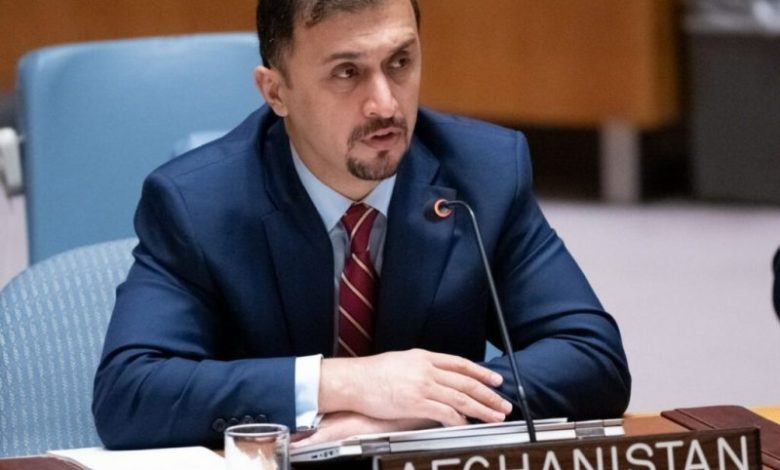
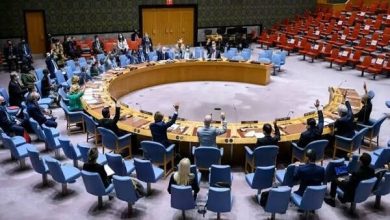
Nasir Ahmad Faiq, the acting representative of Afghanistan to the United Nations, expressed deep concern over the escalating humanitarian crises and widespread human rights violations in Afghanistan during a meeting of the UN General Assembly’s Third Committee. He emphasized that the Taliban administration’s repressive policies and laws against women, girls, and minorities contradict the religious teachings and traditions of the Afghan people and called for the immediate lifting of these restrictions.
Referring to a report by Richard Bennett, Faiq described the current situation as the destruction of life opportunities for an entire generation and highlighted the denial of education to millions of girls. He added that excluding women and girls from secondary schools and universities not only endangers their lives but also harms the future of all Afghanistan.
The acting representative also voiced deep concern about the replacement of core scientific education with ideological and jihadist teachings for boys, the increase in child labor, and their potential exploitation by armed groups. He urged the international community to support online and community-based education.
Faiq further pointed to the suppression of civil activists, journalists, and arbitrary detentions by the Taliban administration, describing these actions as part of the government’s repressive policies.
Addressing the challenges faced by the Afghan people from the return of over five million Afghan refugees from neighboring countries since October 2021, he stressed that these returns have often been under pressure and without adequate assistance. He called on host countries to uphold the principle of non-refoulement and avoid forced returns.
In conclusion, Afghanistan’s UN envoy emphasized that global engagement with the Taliban must be conditional on respecting human rights standards and warned against allowing such engagement to legitimize discriminatory gender policies. He reminded that humanitarian aid in education, health, and livelihoods must continue uninterrupted and stressed the necessity of activating independent international mechanisms and the International Criminal Court to hold the Taliban accountable for human rights violations.
Faiq underscored that the fundamental solution to Afghanistan’s crisis can only come through a genuine peace process led by the Afghan people, resulting in an inclusive, accountable government based on the public will.