Taliban Left Out of Shanghai Cooperation Organisation Summit, Extending Political Isolation
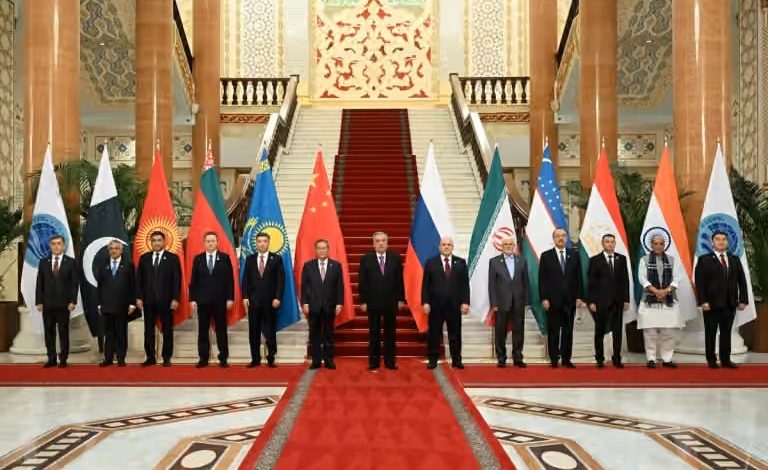
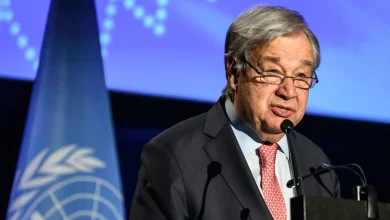
The 25th summit of the leaders of member states of the Shanghai Cooperation Organisation was held on Tuesday in Dushanbe, the capital of Tajikistan. While representatives of member countries attended at the level of prime ministers, vice presidents and senior ministers, no representative from the Taliban administration was present at the meeting. The absence underscored the group’s continued political isolation and lack of formal recognition at the regional level.
Tajik President Emomali Rahmon stressed the need for peace and stability in the region and the importance of resolving conflicts through peaceful means. He called for deeper regional cooperation to confront threats such as terrorism, drug trafficking, extremism and organised crime. Expanding cooperation in the economic sphere, food security, energy and new technologies was also among the topics discussed.
Although Afghanistan has been an observer member of the Shanghai Cooperation Organisation since 2012, the Taliban’s return to power has so far kept the group excluded from official participation in the bloc’s meetings. Earlier sessions were also held in the capitals of member states, including Dushanbe, Samarkand and Astana, without Taliban participation.
The Taliban have repeatedly sought to take part in Shanghai Cooperation Organisation meetings and have said the bloc’s decisions are incomplete without their involvement, but they have so far received no positive response. The policy of excluding the Taliban from these meetings could have negative consequences for the group’s engagement with regional countries and for regional security.
Delegates from China, Russia, Iran, Pakistan, Kazakhstan, Kyrgyzstan, Belarus, Uzbekistan, Turkmenistan and Mongolia attended Tuesday’s meeting. The summit is expected to conclude with the signing of final documents and remarks from the Tajik prime minister and the organisation’s secretary-general on the outcomes.
The Shanghai Cooperation Organisation, founded in 2001, has in the past stressed the need for an inclusive government in Afghanistan, but despite these positions, the approach toward the Taliban administration remains limited and marked by political isolation.