U.S. Federal Judge Lifts Suspension of Afghan Immigrant Visas
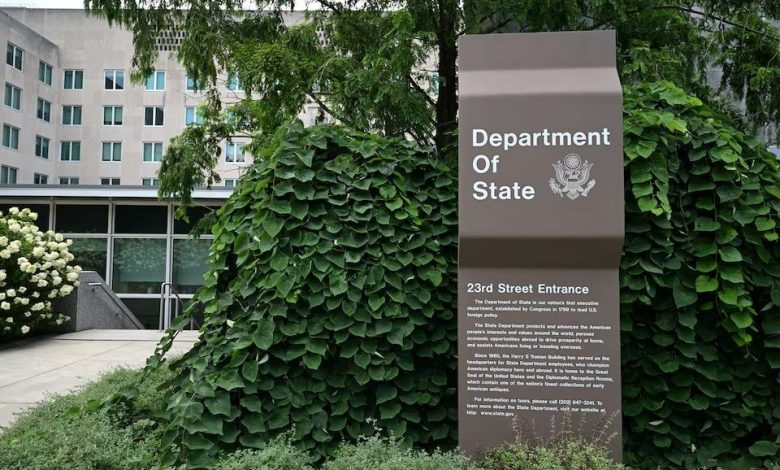
A U.S. federal judge has overturned the Donald Trump administration’s policy of halting the issuance of immigrant visas for citizens of 75 countries, including Afghanistan, ruling that it conflicts with U.S. federal immigration law.
Reuters reported that Janet Vargas, a federal judge in Manhattan, ruled on Friday that the policy announced by the U.S. State Department in January was “manifestly unlawful.” Under the ruling, authority over the review and issuance of immigrant visas under U.S. law rests with consular officers, and the secretary of state cannot broadly suspend visa issuance on the basis of applicants’ nationality.
The suspension had been in effect since January and covered citizens of several countries in Latin America, the Balkans, South Asia, Africa, the Middle East and the Caribbean. Afghanistan was included on the list alongside countries such as Brazil, Colombia, Uruguay, Bosnia, Albania, Pakistan and Bangladesh.
The U.S. State Department had previously said applicants from these countries faced a “high risk of becoming a public charge” and of using local, state and federal U.S. resources.
According to Reuters, the case was brought before the court by immigrant rights groups, including the Catholic Legal Immigration Network and African Communities Together, along with several immigrant visa applicants and U.S. citizens who financially support members of their families.
Reuters also wrote that Donald Trump, in his second term as president, has imposed sweeping restrictions on immigration, saying the measures are intended to strengthen U.S. domestic security. However, rights groups say some of these restrictions violate free speech and due process rights and have raised concerns about racial discrimination, particularly for ethnic minorities.
The U.S. State Department has not yet responded to the latest ruling. The Manhattan federal court in New York is considered one of the key judicial bodies in the United States, and its rulings in immigration cases can affect the implementation of federal policies.