Afghanistan’s crisis cannot be solved by changing leaders alone, says Fazli
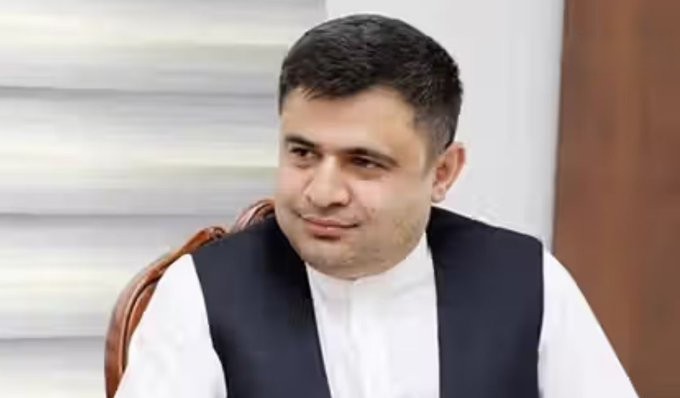
Fazl Mahmood Fazli, head of administrative affairs in the former republic system, has said that Afghanistan’s political crisis and the country’s future cannot be resolved simply by finding a “right and good leader,” and that society needs independent organisation and a considered class struggle to escape repeated crises.
He stressed that in Afghan politics, the focus has always been on foreign interference, personalities, ideologies and power struggles, while the role and existence of social classes has been ignored. According to him, this neglect has left some of the roots of the country’s long-running crises out of view.
Fazli explained that the majority of workers, young people and groups dependent on salaries and monthly income live from daily and monthly earnings, while, he said, a wealthy minority over the past few decades has used its material resources and networks to keep politics in the service of expanding power and privilege.
He added that the main problem is not simply the presence of rich people in society, but the lack of a single, independent organisation for the poor and working classes so they can defend their shared social and economic interests. According to him, this gap has caused a large part of the society’s educated and dynamic forces to move behind the political projects of wealthy elites, with their energy consumed in support of those elites’ personal aims.
Fazli also said that despite intellectual and ideological differences among the working and poor classes, because the main burden of economic crises falls on these groups, they must move away from person-centred followership and personality-based approaches and organise for their own rights and independent political role.
Fazl Mahmood Fazli was one of the senior officials in Afghanistan’s previous government and held responsibility for administrative affairs in the republic system, an institution that handled part of the coordination of administrative and executive matters in the former government.