Concerns Rise Over Possible Deportation of 800 Afghan Asylum Seekers in the US
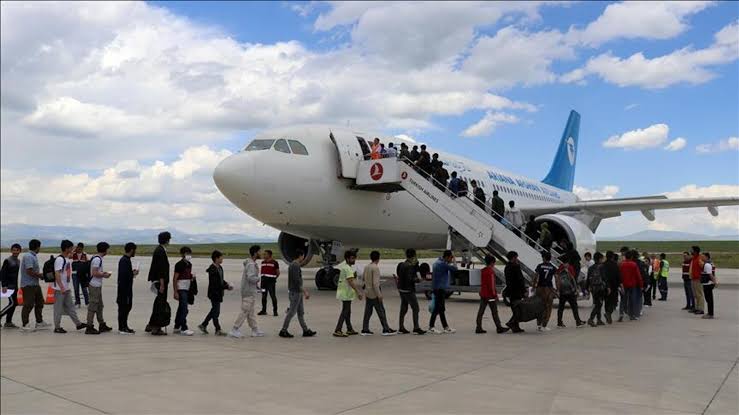
The initiation of telephone interviews with 800 Afghan asylum seekers in the United States has heightened fears that they could be placed on a deportation list.
The Washington Post has reported that a federal refugee resettlement office is quietly completing questionnaires to register precise identity information and residency status of these individuals. According to the newspaper, this process includes phone calls and the collection of details about their temporary residency.
Refugee advocacy groups have warned that this information may be used in the future to enforce immigration laws, including deportations. Beth Oppenheim, director of the Refugee Resettlement Group (HIAS), stated, “This group of Afghan asylum seekers is one of the most vulnerable, with nearly every pathway closed to them and hope of reuniting with their families diminishing. The idea of collecting data on this population is something that could destroy trust.”
Sean Vandiver, head of the Afghan Evac Institute, also expressed concern about this process, saying, “There is a worry that the data collection may be used for future deportations.” He added, “If the federal government wants to assess the welfare of Afghan families, it can do so without turning this process into a covert deportation operation.”
According to informed sources, these interviews will continue until August 7 and target holders of temporary residency status. The Office of Refugee Resettlement (ORR), a branch of the US Department of Health and Human Services, as well as the Department of Homeland Security, have so far not responded to inquiries on the matter.
This move comes as the administration of US President Donald Trump last year imposed extensive travel restrictions on Afghan nationals following an attack by an Afghan asylum seeker on two National Guard members in Washington. Under the new policies, the Temporary Protected Status of about 12,000 Afghan asylum seekers who were permitted to work and live in the US was rescinded; however, individuals evacuated to the US after the fall of the Afghan republic remained under protection, though their cases are now being re-examined.