Lavrov Warns of ISIS Threat from Afghan Territory to Central Asia
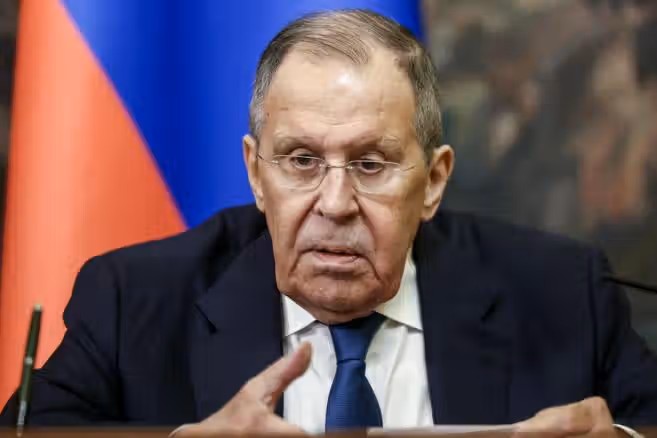
Sergey Lavrov, Russia’s Foreign Minister, has warned that ISIS-K (Islamic State’s Khorasan Province) currently represents the main security threat to Central Asian countries. He stated that the group is attempting to use Afghan soil as a base for expansion and the establishment of a caliphate. Lavrov emphasized that this threat is transnational in nature and combating it requires serious regional and international cooperation.
Lavrov made these remarks in a message delivered on the occasion of a meeting focused on “Enhancing Capacity to Prevent the Supply of Weapons to Terrorists in Central Asia.” He stressed that the fight against terrorism must be conducted without “double standards” and that global cooperation in this field should not be compromised by political rivalries. He also criticized what he called the “destructive policies of certain Western countries.”
The Russian Foreign Minister also announced the approval of the draft “Collective Security Treaty Organization (CSTO) Counterterrorism Strategy through 2030” at the recent CSTO foreign ministers’ meeting in Kazan. He noted that this document is scheduled to be submitted to the heads of state for final approval in the fall. According to Lavrov, Russia is one of the top ten financial contributors to the United Nations Counter-Terrorism Office, having allocated seven million dollars to the UN’s programs in Central Asia and Africa to date.
In response, Zabihullah Mujahid, spokesperson for the Taliban administration, rejected Lavrov’s statements, claiming that ISIS no longer has a “physical presence” in Afghanistan. In an interview with the Taliban-controlled national television, Mujahid said that the group’s movements have been suppressed and that no threat emanates from Afghan territory towards regional countries.
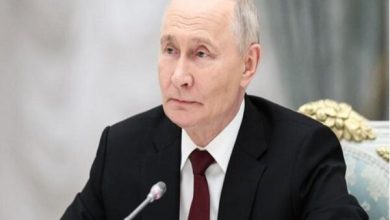
These claims come amid repeated warnings from Russian officials in recent months about the possible infiltration of extremist groups and the transfer of weapons from Afghanistan to Central Asia. Previously, Russian President Vladimir Putin stressed Moscow’s inability to remain indifferent to threats originating from Afghanistan.
Additionally, the head of the Russian Federal Security Service has reported intensified ISIS activity and its branches in Afghanistan, while the Russian Defense Minister noted that more than 20 radical groups with over 15,000 fighters are present in Afghanistan. The persistence of these warnings indicates that despite increasing diplomatic ties between Moscow and the Taliban administration, security concerns regarding Afghanistan remain serious. This raises significant questions about the Taliban’s capacity to fully control extremist groups.