UN Urges Pakistan to Halt Forced Deportations of Afghans Amid Rising Returns
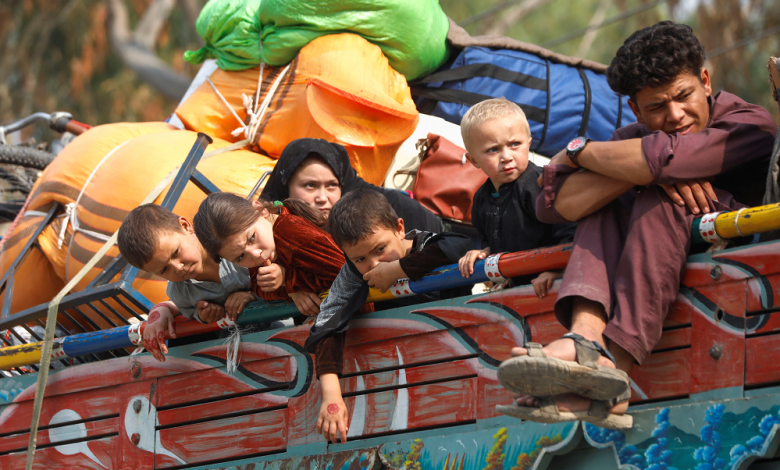
The United Nations High Commissioner for Refugees (UNHCR) has expressed concern over the increasing forced deportations of Afghan refugees from Pakistan and has urged Islamabad to ensure that their return is carried out only voluntarily, safely, and with respect for human dignity. The agency emphasized that no refugee should be returned to a country where their life or freedom would be at risk.
This appeal comes as Pakistan’s government deadline for the departure of Afghan refugees expires; after which, the number of returns from border crossings has surged significantly. According to a report by the Pakistani newspaper Dawn, since July 10, over 10,000 people have been returning daily to Afghanistan through the Hamza Baba transit point in the Landi Kotal area—a figure nearly three times higher than in May and June.
Qaiser Afridi, a spokesperson for UNHCR in Pakistan, thanked Pakistan for hosting Afghan refugees for several decades but warned that forced returns could have serious human rights consequences. He expressed particular concern about the conditions of Afghan women and girls, noting that returning them to a country governed by the Taliban—with severe restrictions on education, employment, and fundamental freedoms—is a major worry for the agency.
The UNHCR has called on Pakistani authorities to exempt vulnerable groups—including female heads of households, girls, human rights defenders, journalists, civil society activists, ethnic and religious minorities, and others in need of international protection—from deportation processes.
Since November 2023, Pakistan has initiated the expulsion of undocumented foreign nationals. According to UN data, around 2.56 million Afghan refugees have returned to Afghanistan since then.
Meanwhile, Afghanistan is facing a severe humanitarian crisis, shortages of basic resources, and strain from the large-scale return of migrants from neighboring countries—a situation aid organizations say seriously challenges the country’s capacity to absorb such numbers and requires urgent global coordination and support.