Is the Cost of Silence Higher Than That of Protest? Reflections on the Jabrayil Incident
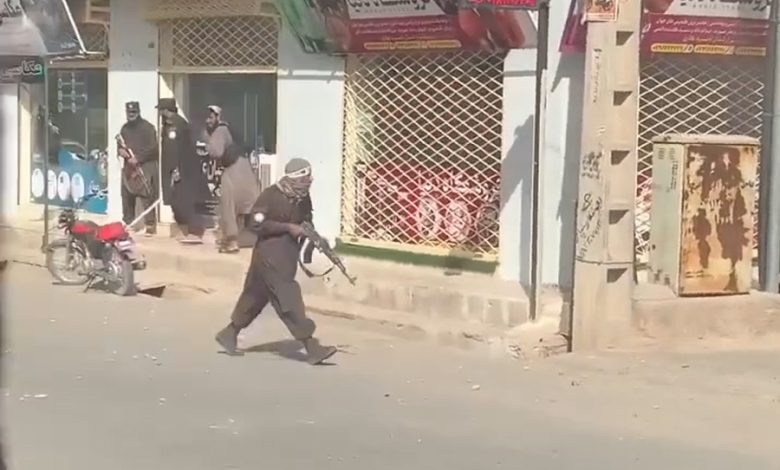
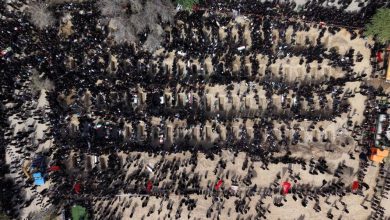
After yesterday’s protests in Jabrayil, which resulted in the death and injury of several compatriots, some have questioned whether encouraging people to protest is nothing more than sending them to their deaths.
At first glance, this question seems compassionate and logical. No rational person wishes for people to be killed, and no society welcomes paying such a price. But can we conclude from this premise that people should not protest?
If so, then any government willing to use greater force effectively strips society of the right to protest. In that case, the level of violence a government is prepared to employ would determine the limits of people’s freedoms, and this restriction would affect all aspects of their lives—even their most private affairs.
The reality is that nearly all protest movements in authoritarian societies come with costs. Protests arise when a portion of the people conclude that continuing the status quo carries a heavier price than protesting.
Regarding the Jabrayil incident, it seems the issue is not merely the arrest of a few individuals.
For many people in Jabrayil, the arrest of women and girls on the grounds of hijab—especially when released images show their attire complies with the laws declared by the Taliban themselves—was perceived as an assault on family privacy and human dignity, an act intended to humiliate them.
Therefore, their protests cannot be simply dismissed as an emotional reaction to an isolated event or attributed to instigation from outside parties.
Of course, this does not diminish the value of human lives. The death of even one person is bitter and regrettable. But those who condemn the very act of protesting must also answer this question: what is the alternative?
If people should not protest, how are they supposed to defend their rights? To which institution should they seek justice? Which independent authority can they appeal to? Through what means can they prevent the recurrence of such behaviors?
Without answers to these questions, opposing protests is less a solution and more an invitation to accept the humiliating status quo.
The main issue is not whether protesting carries a cost. It is what circumstances have driven people to choose protest despite knowing the dangers. Did the protesters in Jabrayil not anticipate the possibility of facing the Taliban’s iron fist? Certainly, they did. Yet they saw conditions as so dire that they deemed the cost of silence greater than that of protesting.
In your view, is the cost of the ongoing hostage-taking of people’s dignity and the violation of their honor by the Taliban greater for the people of Jabrayil, or is it the cost of protesting that may be met with Taliban violence?
Perhaps the most important message of the Jabrayil protests is that in some cases, fear is no longer sufficient to compel people to remain silent.
Seyed Ahmad Mousavi, Preacher