Afghanistan Launches $6.5 Million Electricity Transmission Project in Kunduz
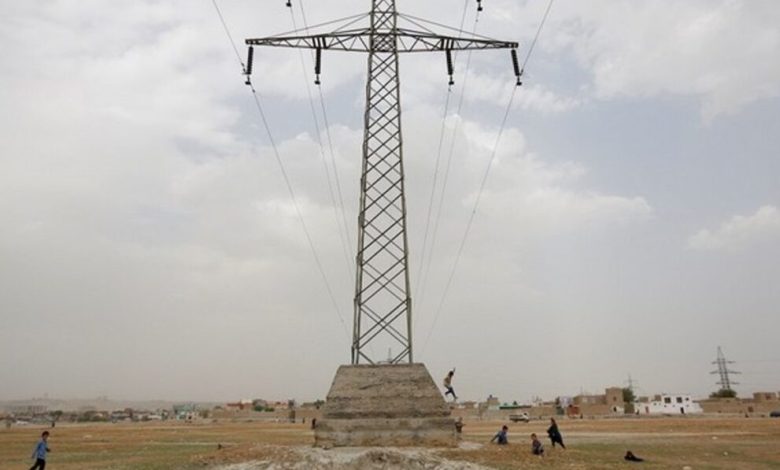
On Thursday, Breshna Company announced the commencement of an electricity transmission project worth 535 million Afghanis in Kunduz province. The project will connect the Asqalan power station to the Dasht-e-Archi district via a 220-kilovolt transmission line. According to the company, once completed, this line will have a transmission capacity of 140 megawatts.
Abdul Haq Hamad, the Taliban-appointed head of Breshna Company, said at the inauguration ceremony that implementing this project could provide more stable electricity to residents and strengthen support for economic activities in the region. He added that Dasht-e-Archi is among the districts that have faced serious limitations in electricity access in recent years.
Despite the launch of this project, Afghanistan’s energy sector continues to face extensive structural challenges. The country’s annual electricity demand is estimated at around 3000 to 3500 megawatts, while domestic production ranges only between 600 to 700 megawatts, mostly supplied by hydropower sources and several small thermal power plants.
Currently, about 70 to 80 percent of the required electricity is imported from neighboring countries, including Uzbekistan, Tajikistan, Turkmenistan, and Iran. This dependence makes the power grid vulnerable to external fluctuations.
Access to electricity across the country is also uneven. International estimates indicate that only 35 to 40 percent of the population has reliable electricity access, with even lower figures in rural areas. Even in Kabul, electricity is distributed on a rotating basis, and families face daily several-hour power outages.
In Kunduz province, the lack of infrastructure and ongoing outages have disrupted daily life and commercial activities. Although Breshna Company states that the new line could improve network stability in the north, energy remains one of the country’s critical challenges until a comprehensive plan to increase domestic production and reduce import dependency is implemented.