Afghan Migrants: ‘Extra Burden’ or Iran’s Strategic Depth?
Friendships and alliances are not easily tested under normal circumstances, but it is during difficult times that their true depth and strength become clear. Today, Iran is going through very challenging conditions, which provide a better opportunity to understand the truth and robustness of friendships for Iran and Iranians.
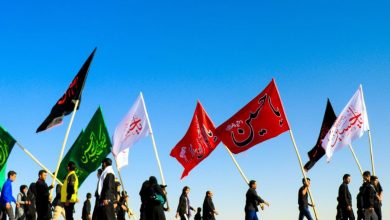
A look at social media platforms like Baleh, Eitaa, and Rubika reveals that Afghan migrants residing in Iran show remarkable solidarity with Iran and its people. This sympathy is evident in their participation in nightly rallies across various cities. Numerous music videos and clips have also been produced and circulated by different Afghan media outlets during this time.
Despite having bitter memories from the events after the 12-day imposed war, Afghan migrants have brotherly and nobly put the past behind them at this critical juncture and stepped forward. Moreover, many civilians among the war’s martyrs were of Afghan origin, further underscoring the inseparable bond between these two nations.
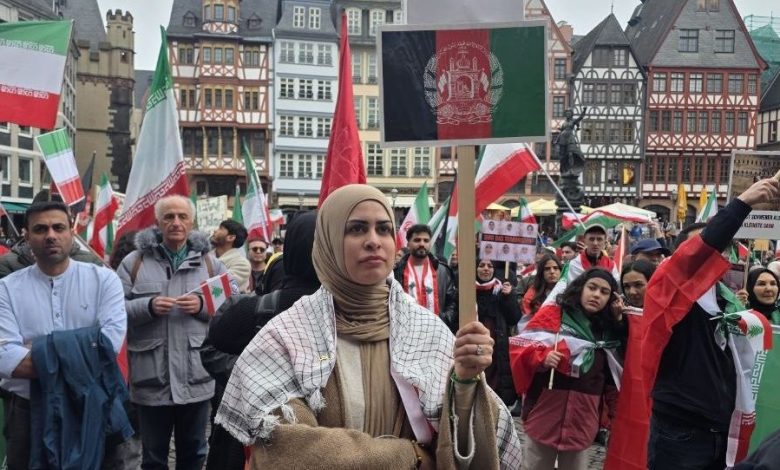
Interestingly, in this environment, Afghan migrants have given a historic surprise, unprecedented until now, which is highly valuable and significant. This surprise reveals a previously unrecognized but important capacity for the Islamic Republic of Iran beyond its borders. Afghans who have lived as migrants in Iran for years are now, in gratitude for sharing the same table for so long, taking to the streets in Europe and Australia, vocally supporting Iran.
Some in Iran, when complaining about migrants, reduced the issue to statistics about food consumption, calling them an unnecessary burden. However, those critics never considered that “respecting the bread and salt” is a shared literary, cultural, and social bond between these two great peoples. Accepting Afghan migrants in Iran was a form of investment, the fruits of which we can now witness even in cities like Berlin, Frankfurt, and Sydney.
No one expected that Afghan migrants, who fled Iran and settled halfway across the world, would care so deeply about Iran and step up to support it by taking to streets, chanting slogans, and expressing disgust at the world’s brutal politics, standing by the Islamic Republic in a way that even drew threats and harm from Iranian royalists.
These migrants, who have sometimes been humiliated and deprived of some basic rights in Iran, nonetheless see their roots in Iran and Islam. Whether we like it or not, Iran represents Shia ideology globally, and the hearts of Shia Muslims around the world beat for Iran, even those who may have once suffered hardship because of it.
This message is for those who have always viewed Afghan migrants as either a “threat” or an “extra mouth to feed.” Today, Afghan migrants exemplify Iran’s strategic depth even in the West.
It is unlikely anyone in Iran sees Afghan migrants in the West as an opportunity, but the recent developments have shown that they are indeed a valuable asset for the Islamic Republic of Iran and can be relied upon in difficult times.
Mohammad Hadi Kazemi, Cultural Activist