Taliban Ban on Live Broadcasts Halts Operations of 32 TV Stations in Afghanistan
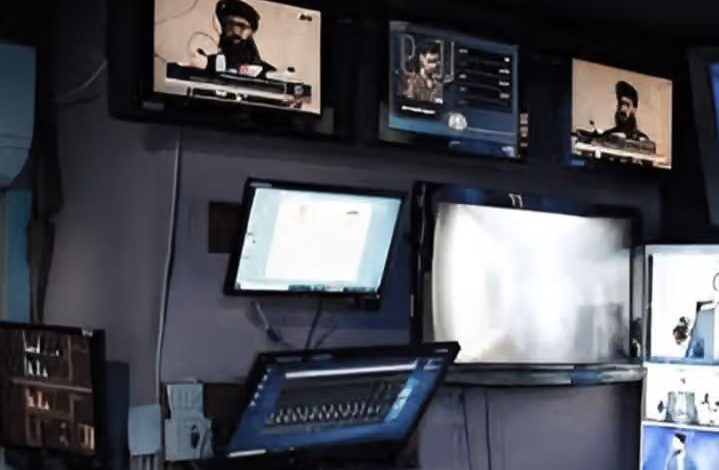
The Taliban administration’s ban on broadcasting live images has led to the suspension of at least 32 television stations over the past year, according to the Afghanistan Journalists Center. The center reported last year that the halted stations included local branches of the national television network across 20 provinces, as well as 12 private TV channels.
This restriction began in Kandahar and spread to more than 20 provinces. As a result, dozens of TV stations have either ceased operations or been forced to switch to radio broadcasting.
Despite these limitations, the Taliban’s Ministry of Information and Culture claims to have issued licenses to more than 200 media outlets in Afghanistan over the last five years. Habib Ghafouran, the ministry’s spokesperson, asserted that media activities have “progressed” and that the ministry has initiated various programs and measures to support media and address their problems.
Ghafouran also emphasized that media organizations are managed according to Islamic, cultural values and the Taliban administration’s publishing policies.
Over the past five years, the Taliban have severely restricted the media environment by detaining journalists, imposing extensive publishing restrictions, and shutting down hundreds of media outlets. During this period, hundreds of journalists have either fled Afghanistan due to threats, pressure, and fear of arrest or ceased working.
The United Nations Assistance Mission in Afghanistan (UNAMA), in its quarterly report released in October, stated that the Taliban suspended the activities of four media outlets and arbitrarily detained several journalists during the months of July, August, and September.