Afghan Political Parties and Figures React to Taliban Leader’s Speech
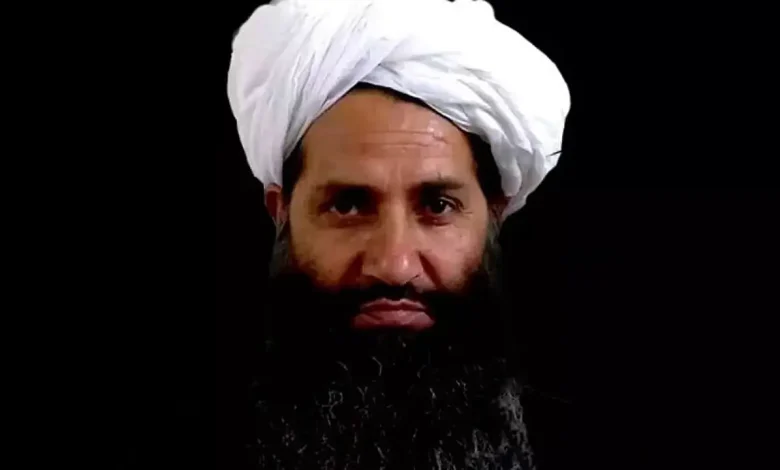
Yesterday’s speech by Hibatullah Akhundzada, leader of the Taliban administration, has sparked reactions from political parties and prominent figures in Afghanistan. These responses range from criticism of power monopoly and restrictions on religious and women’s rights to calls for inclusive dialogues.
In his speech, topics such as national unity, prevention of discord and war, combating discrimination, merit-based participation, and facilitating the return of Afghan citizens to the country were addressed.
The Islamic Society of Afghanistan and the National Resistance Front of Afghanistan, in a joint statement, described the meeting held at Kabul University as “directive.” These two groups claimed that the Taliban administration, by gathering a number of religious scholars and figures close to itself, is using the university’s scientific and historical status to politically legitimize its rule. They stated political legitimacy stems from the will and consent of the people, not from organized meetings and unilateral declarations.
These groups called for an inclusive system with genuine participation of political currents, ethnicities, and social groups. They also deemed the monopoly of power, suppression of opponents, and instrumental use of religion to justify policies as incompatible with justice and Islamic teachings, declaring that the struggle will continue until the rights and freedoms of the people are secured and monopoly and discrimination are eliminated.
The Islamic Unity Party of Afghanistan, in a separate statement, responded to Akhundzada’s remarks regarding all Afghan people being followers of the Hanafi school. While emphasizing respect for followers of the Hanafi sect and the status of Imam Abu Hanifa, the party said followers of the Hanafi, Jafari, Ismaili, and Shafi’i sects, alongside other religious orientations, are part of Afghanistan’s historical and social reality.
The party stressed that majority adherence to one sect does not justify neglecting the religious rights and freedoms of others or imposing beliefs on them. Referring to what it called restrictions and discrimination against Hazaras and Shia, the party warned about the consequences of denying religious diversity and called on the international community and human rights organizations not to remain silent against ethnic and religious discrimination.
Hanif Atmar, former Afghan foreign minister, said if Akhundzada’s statements reflect the true will of the Taliban leaders, the next step should be to begin inclusive intra-Afghan negotiations. According to him, these talks should go beyond merely dividing positions and power to reach agreement on a constitution accepted by the people, fundamental citizen rights and freedoms, and the structure of the future political system.
Atmar added that public trust is established when citizens’ rights are guaranteed in the constitution and the government is committed to enforcing it. He urged the Taliban leadership to demonstrate their will for peaceful resolution of Afghanistan’s crisis by enabling genuine and inclusive dialogues.
Samim Yousufzai, Afghan journalist and analyst, also pointed out the absence of mention of bans on women’s education and work as a significant omission in the speech. He said cooperating experts with the ruling structure should not mean ignoring the basic rights of their family members, and reopening educational centers to girls could create conditions for the return of some Afghan experts living abroad to participate in the country’s reconstruction.