Taliban’s Push to Change Religious Identity Sparks Concern Among Afghan Shiites
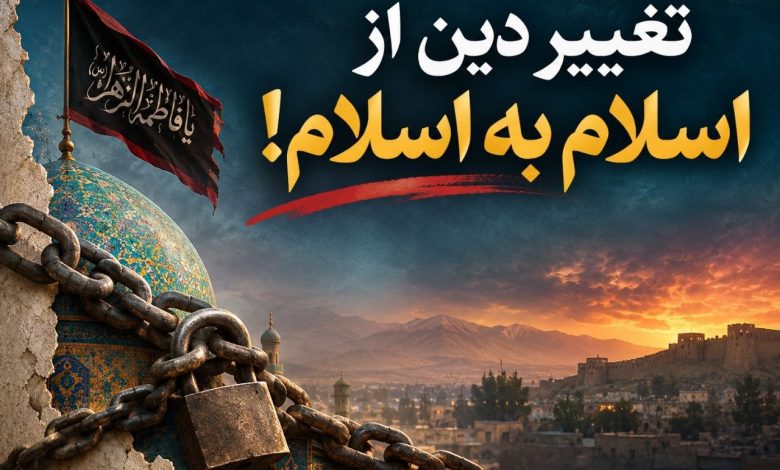
A video showing a young Shiite man in Kabul converting to Sunni Islam by repeating the Shahada in the presence of Taliban-affiliated clerics, coinciding with the arrest of two prominent Shiite clerics in Herat following mourning ceremonies for Fatimah Zahra, cannot be seen as isolated incidents.
Previously, the Taliban sidelined Ja’fari jurisprudence from the official legal structure, restricted religious ceremonies—especially Muharram mourning rituals—pressured religious centers such as the seizure of the Khatam al-Nabiyyin seminary, and arrested Shiite clerics, clearly signaling their intent. Now, signs point to the Taliban moving beyond restricting rituals to directly intervening in the religious identity of Afghanistan’s Shiite community.
Freely changing one’s religion is a human right; however, publicly displaying a Muslim’s conversion by repeating the Shahada carries a message beyond personal choice. This act raises a serious question: Does the Taliban consider Shiism a legitimate Islamic sect or see it as a faith requiring correction or even outside the fold of Islam?
Normalizing such actions could pave the way for organized pressure to change religious affiliation, spread of takfirism, and the erosion of the historic coexistence between the country’s Hanafi and Shiite communities, causing deep and lasting social divisions.
Given the Taliban’s cumulative actions, there is increased concern that the seizure of Khatam al-Nabiyyin complexes is not random but part of a deliberate process to erase Shiite identity. Therefore, if the Taliban next target the Sadiqiyyah seminary in Herat or other Shiite religious centers in Kabul and other cities for confiscation, it would not be surprising.
This approach occurs amid a major political and ideological confrontation in the region between resistance movements and global powers claiming dominance, with significant Shiite forces opposing such imperialism.
In this scenario, the Taliban and any other group that targets the social and religious capacity of Shiites instead of confronting foreign domination effectively weaken the resistance front and strengthen imperialist powers, even if they claim to oppose the US and Western powers.
Judging this conflict should be based on the practical outcomes of policies rather than anti-American slogans.
One cannot claim opposition to the US while simultaneously inviting American investments and embassy reopenings, and at the same time weakening resistance movements and fueling sectarian divisions, actions that ultimately benefit the very imperialist powers.
Nonetheless, by pressuring Shiites, the Taliban cannot dissuade them from their faith nor erase their historical presence from Afghanistan’s geography.
Shiism, which has endured centuries of oppression under Umayyad, Abbasid, and other historic regimes, and from which dynamic Shiite jurisprudence, theology, and a grand discourse of justice have emerged, will also sustain its identity and existence in Afghanistan. Linked to resistance and justice movements, it will become a lasting pillar against the imperial system.
Seyed Ahmad Mousavi, Religious Scholar