Customs and Financial Barriers Limit Trade Cooperation Between Herat and Khuzestan
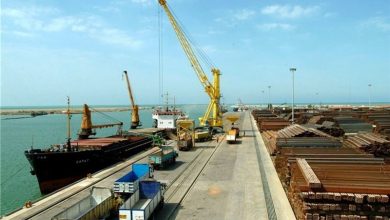
Despite substantial commercial and industrial potential, the development of economic relations between Herat in Afghanistan and Khuzestan in Iran continues to face serious challenges that hinder full utilization of existing opportunities. In recent months, officials from both countries have pursued improvements in transit routes, including the completion of the Herat-Khaf railway and the Abu Nasr Farahi road. The first phase of the fourth segment of the Herat-Khaf railway, spanning 43 kilometers, has been inaugurated. This project can enhance the capacity for rail freight transport between the two countries; however, structural problems in financial transactions, customs procedures, and visa issuance remain unresolved.
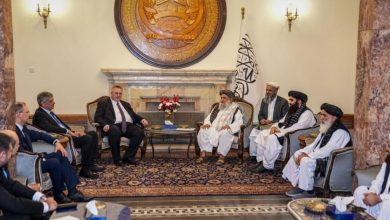
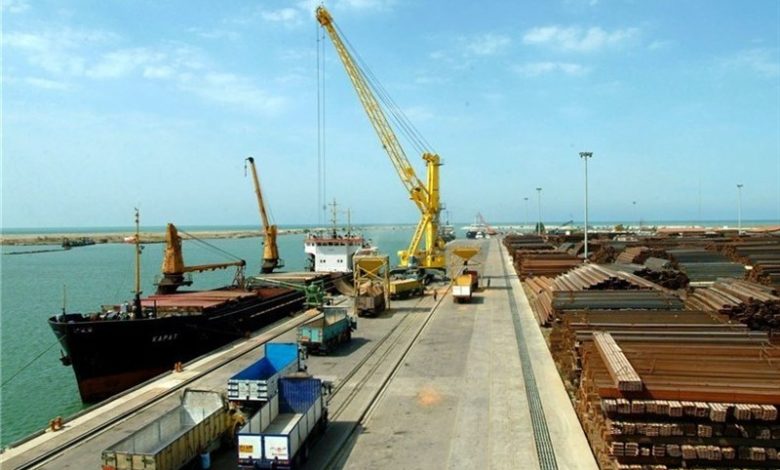
Khuzestan plays a significant role in meeting Afghanistan’s market demands, particularly in steel and petrochemical industries. Meanwhile, Herat, with its transit location and natural resources, can serve as a regional exchange hub. Mohammad Younes Qazizada, head of the Herat Chamber of Commerce, emphasized the importance of expanding cooperation in a video conference meeting with economic activists from Khuzestan. He highlighted the large number of economic actors and unions as an opportunity to advance trade relations.
Nonetheless, while acknowledging these capacities, he pointed to existing obstacles such as customs difficulties, complicated visa processes, and high transportation costs, all of which have slowed cooperation. In response to these concerns, a joint committee between the Chambers of Commerce of Herat and Ahvaz has been proposed to address issues related to investment, visas, and financial exchanges. Additionally, plans are underway to exchange economic information and organize joint exhibitions.
Sustainable development of economic cooperation between Herat and Khuzestan requires continuous efforts and the formulation of clear executive plans. Otherwise, the potential of these two regions risks remaining limited to discussions and promises without practical implementation. This situation unfolds amid renewed emphasis on expanding Iran-Afghanistan economic ties, with transportation infrastructure poised to play a vital role in transforming regional trade.