Taliban’s Trade Restrictions Shift Afghanistan’s Commerce from Pakistan to Alternative Routes
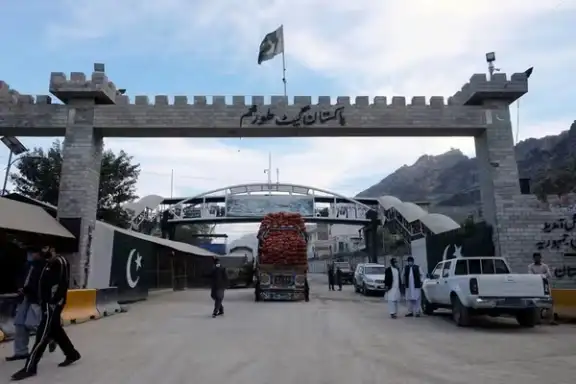
Trade restrictions imposed by the Taliban administration on commercial routes with Pakistan have weakened Pakistan’s position as one of Afghanistan’s main trade corridors. As a result, a significant portion of Afghanistan’s transit trade has shifted to alternative routes, particularly through Iran and Georgia.
According to documents from Pakistan’s Ministry of Commerce, Afghanistan has recently expanded its trade connections with Central Asian countries, India, China, and the United Arab Emirates via new routes. Previously, Pakistan had been considered the primary route for Afghanistan’s goods to reach global markets.
Border closures and political tensions between the two countries have significantly reduced Afghanistan’s dependence on Pakistani routes. Following this shift, Pakistanis have also faced increased costs and longer transit times on the alternative routes, which has caused particular challenges for industries such as meat and pharmaceuticals.
Pakistan’s Ministry of Commerce also reported a growing interest from Central Asian countries in utilizing the Middle Corridor—a route managed by Turkey that facilitates regional access to European markets. Meanwhile, maritime transport restrictions with Russia have complicated land trade relations further.
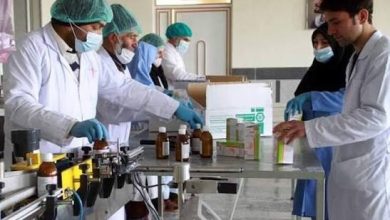
Moreover, as border disputes persist and the Taliban administration pursues policies to reduce economic reliance on Pakistan, pharmaceutical imports from Pakistan have come to a halt. The Taliban aims to source medicines and essential goods for Afghanistan through multiple routes including Iran, Central Asia, and India.
These developments in regional trade, in addition to diminishing Pakistan’s transit revenues, have paved the way for redefining economic routes and trade balances in the area, elevating Iran’s role as a key transit and economic partner for Afghanistan.