Calls Between Finland, Norway Leaders and Putin Highlight Divisions in Europe Over Ukraine Talks
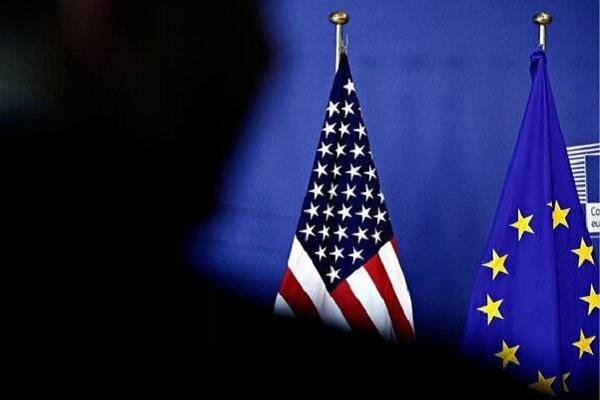
An American media outlet has reported that a phone call between Alexander Stubb, President of Finland, and Jonas Gahr Støre, Prime Minister of Norway, and Vladimir Putin, President of Russia, sparked one of the most serious rifts among Northern European countries. The initiative was aimed at demonstrating Europe’s commitment to participating in resolving the Ukraine conflict, but instead resulted in increased internal tensions within Europe.
According to Politico, European countries remain divided over their representation in the upcoming peace negotiations between Ukraine and Russia. This situation arises as a new round of talks between Russian and Ukrainian representatives, mediated by envoys from the former U.S. administration, is being prepared in Abu Dhabi.
The initiative by the leaders of Finland and Norway met negative reactions from some European allies, including Denmark, Sweden, and Lithuania. Mette Frederiksen, Prime Minister of Denmark, emphasized that Europe should focus on maintaining unity rather than pursuing separate actions, while Ulf Kristersson, Prime Minister of Sweden, insisted on pursuing peace from a position of strength without conceding.
Despite these objections, Jonas Gahr Støre defended his decision, stating that Europe cannot end the war on its soil without direct dialogue with Moscow. Prior to the phone call, the two leaders had consulted with Volodymyr Zelenskyy, President of Ukraine, about their intended messages; however, negative reactions from some European governments forced Zelenskyy to also support the initiative.
Politico’s report also highlighted European concerns about the exclusive role of the United States in the peace negotiations, with some officials believing that Washington should not be the only Western party involved in direct talks with Putin.
This event not only exposed the divisions among European countries regarding engagement policies with Russia but also revealed the continent’s inability to form a unified stance and exert independent influence over the Ukraine negotiation process.