Wakhan Road to Open, but Border Infrastructure Not Ready for Transit
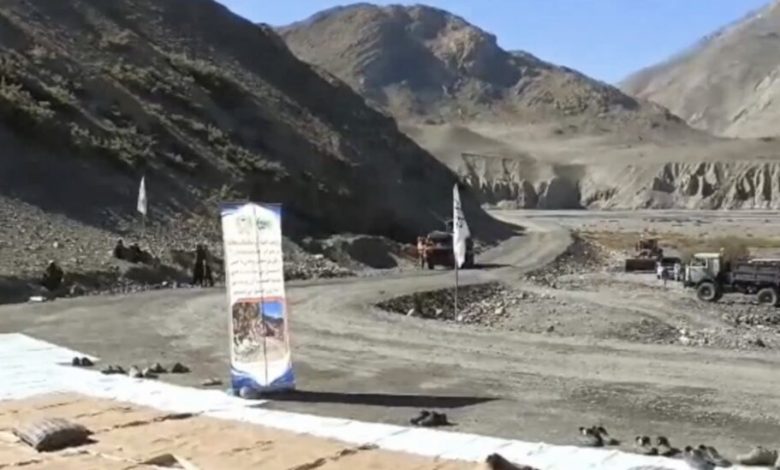
Local Taliban authorities in Badakhshan have announced that the Wakhan road, completed after several years of construction, will be opened for use today, Sunday, 4 October. However, experts say the absence of an official customs post, loading facilities and standard commercial mechanisms will prevent the route from becoming an active transit corridor.
The road is 121 kilometres long and runs from the Broghil area to the zero point on the Chinese border. The route is between 7 and 10 metres wide, and several bridges and drainage channels have been built along it.
Amanullah Chehreh, head of rural development for the Taliban administration in Badakhshan, has described the completion of the road as a step toward Afghanistan’s overland connection with China. The Taliban’s Ministry of Rural Development had previously claimed that with the completion of this route, Afghanistan would for the first time be linked to China by land.
According to economic experts, commercial use of the road requires the establishment of an official customs post, border facilities and loading centres — amenities they say still do not exist in Wakhan. Security concerns in Badakhshan also remain. The province has seen sporadic clashes, anti-Taliban operations and the activity of armed groups in recent months.
Analysts say China has so far refrained from setting up an official customs post or making major investment in this corridor because of security instability, and has made security a condition for cooperation. Reports citing satellite images have also said construction activity in parts of the route has been limited in recent years, raising questions about the pace of the project.
The road passes through a mountainous area at an altitude of 3,000 to 6,800 metres, where severe cold, difficult terrain and high maintenance costs could make sustained use challenging. The route’s success in trade and transit is seen as dependent on security, Chinese cooperation and investment in border infrastructure.