Former Afghan diplomat criticises Taliban leader’s silence over Pakistani strikes
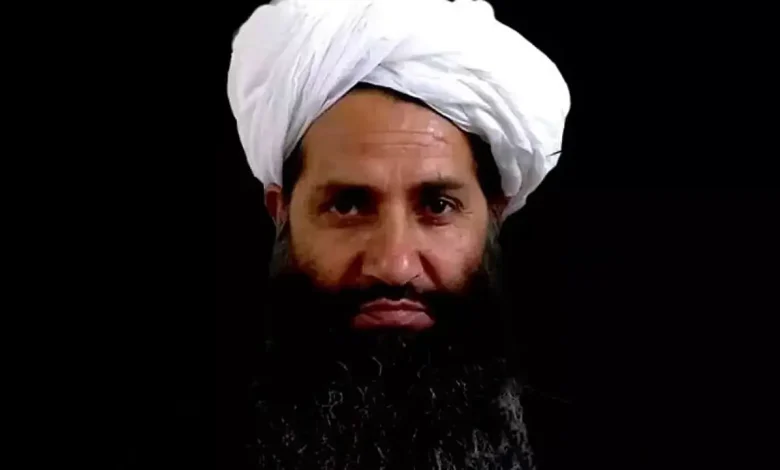
Ghous Janbaz, a former Afghan diplomat, has criticised the silence of Taliban leader Hibatullah Akhundzada in response to Pakistan’s attacks, describing it as a continuation of the Taliban administration’s restrictive policies inside the country and saying it increases society’s vulnerability.
Janbaz said Pakistan targets people from outside while the Taliban administration restricts citizens’ freedoms at home; in his view, the result of both approaches is damage to Afghan society. He also claimed that the Taliban administration lacks the ability to defend the borders and the will to stand up to Islamabad, and said responsibility for the current situation lies with the group’s leadership.
The former diplomat also spoke of divisions within the Taliban administration’s structure, adding that the leader’s silence in the face of Pakistan’s attacks has drawn criticism among its members. Some reports have also said that a number of figures close to the administration are unhappy with this position and see it as indifference to national security.
Jamaluddin Badr, the former governor of Nuristan, also said trust between the Taliban administration and Pakistan has collapsed and relations between the two sides have reached a stage of confrontation. He cited the imbalance in the two sides’ capabilities as one reason for the Taliban administration’s silence and warned that imposing demands by force would push relations between the two countries into deadlock.
According to reports, Pakistan’s attacks on Afghan territory have intensified in recent weeks, and several civilians have been killed in the strikes. The Taliban administration has described the attacks as aggression in official statements, but Hibatullah Akhundzada has so far made no public comment. Analysts have attributed this silence to an aversion to confrontation or an inability to make decisions.
A senior Taliban official previously said some leaders of the administration in Kabul had called for a retaliatory response to Pakistan’s attacks, but Akhundzada opposed it. Critics say the decision is a sign of the Taliban administration’s structural dependence on Pakistan and its inability to manage security crises.