Munich marks Hazaras genocide memorial day with calls for justice and solidarity
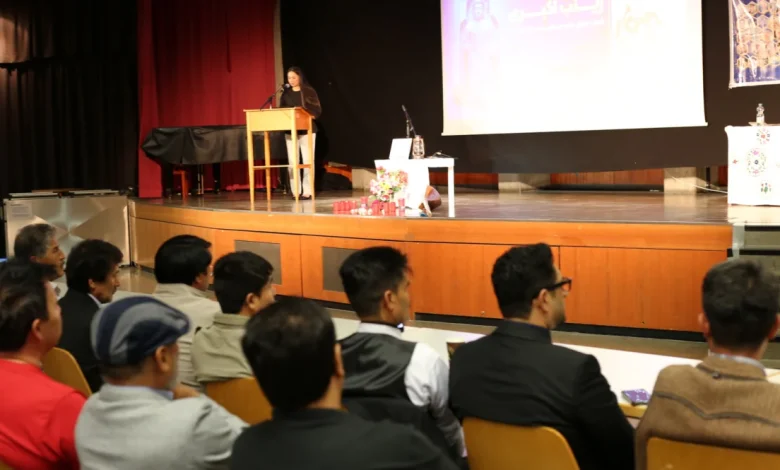
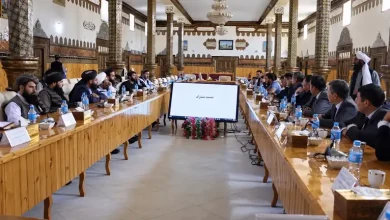
The International Day of Remembrance of the Genocide and Solidarity with the Hazara People was marked in Munich with the حضور of a number of cultural figures, academics, civil society activists, German government officials and Afghan citizens. The event focused on advocacy, justice and solidarity among different groups in Afghan society.
The ceremony was held on Saturday, 4 Mizan, by the Hazara Cultural Centre in Munich. Organisers said the aim was to keep alive the memory of the victims of historic violence and the genocide of the Hazara people, strengthen intra-community solidarity and draw attention to the need for the pursuit of justice.
Speakers at the event, stressing recognition of the genocide of the Hazara people, said it was important to responsibly confront the past in order to achieve lasting justice. They said such programmes could help create space for dialogue and greater solidarity among different segments of Afghan society.
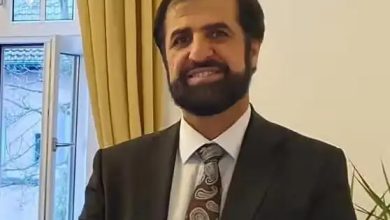
Mobariz Rashidi, one of the speakers, stressed historical accountability and attention to the rights of all ethnic and social groups. He said lasting solidarity could not be achieved without an honest confrontation with the suffering and injustices of the past.
As part of the ceremony, a study on identity, belonging, and the social, economic and political integration of the Hazara diaspora in Germany was presented. According to the study, the identity of Hazara migrants in Germany is neither uniform nor fixed, but is shaped by a range of factors including ethnic, religious and cultural belonging, migration experience, educational level and social conditions.
A documentary titled ‘Break Time’ by Sami Atayi was also screened at the event. The film deals with the suicide attack on 24 Asad 1397 against the Mawoud educational centre in western Kabul. In conclusion, the statement of the Hazara Cultural Centre in Munich was read out, and the programme continued with live music and poetry recitation.
The Mawoud educational centre in western Kabul was one of the well-known educational centres in Dasht-e-Barchi, a largely Hazara-populated area that has repeatedly been targeted in deadly attacks in recent years.