AMSO Says Taliban Restrictions Have Severely Curbed Access to Information in Afghanistan
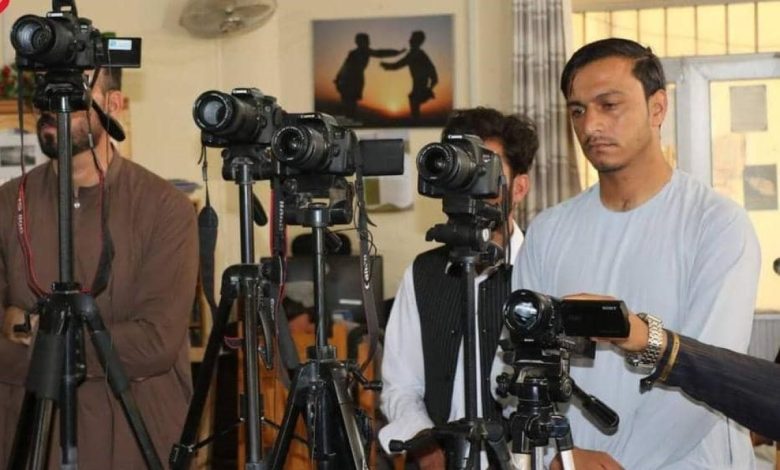
The Afghanistan Media Support Organization, marking the International Day for Universal Access to Information, says restrictions imposed by the Taliban administration have severely damaged the public’s and journalists’ free access to information in Afghanistan. The group says secrecy, pressure on the media and interference by intelligence agencies have further narrowed the space for reporting.
In a statement released on Monday, 6 Mizan, the organization said the Taliban administration has abolished the legal and regulatory frameworks related to access to information, and in many cases statistics, data and social realities are being kept hidden from public view. According to the group, what is published is mostly one-sided and propagandistic content.
A section of the AMSO statement said: “Government data, statistics and social realities are kept hidden, and based on their authoritarian preference, only one-sided and misleading propaganda is published.”
The Afghanistan Media Support Organization added that efforts to obtain independent information have exposed journalists and media outlets to threats and punishment. It said interference by the Taliban’s intelligence services and its morality enforcers is one of the main obstacles to journalists’ work.
According to the organization, arrests, searches, humiliation and psychological and physical pressure on journalists have increased self-censorship in the country. AMSO also said media restrictions and new directives have made access to information sources more difficult for Afghan and regional journalists, while also depriving half the population of access to basic information.
The group has called on international human rights organisations and free media to increase legal, political and diplomatic pressure on the Taliban administration. It has also urged the United Nations to document and record cases of violence against journalists, arrests and the blocking of access to information in Afghanistan.
The International Day for Universal Access to Information is observed every year to emphasise the public’s right to access public information. Access to information is considered one of the fundamental principles of journalism and public administration accountability.