Taliban Pressure on Shiite Institutions in Kabul Draws Fresh Backlash
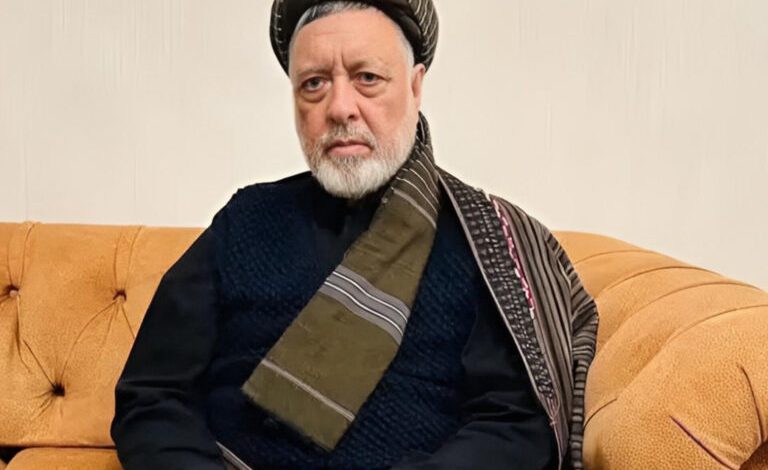
In the wake of growing pressure by the Taliban administration on Shiite educational, religious and residential institutions in Kabul, Mohammad Mohaqeq says these measures are not the decision of a single official but part of a broader policy by the administration toward Shiites, Hazaras and other social groups.
In a recent media interview, Mohaqeq said the Taliban administration initially tried to present a more “moderate” image of itself, but over time its true approach toward ethnic groups, political movements, women and religious minorities became clear. According to him, the administration is seeking to build a system based on its own “religious interpretation” and does not tolerate not only Shiite Islam but also different interpretations of Hanafi jurisprudence.
He said the pressure has intensified in recent weeks. The Khatam al-Nabiyyin seminary and university in Kabul have been besieged and confiscated, the Khatam al-Anbiya seminary has been shut down, and earlier the activities of Tamadon TV were halted and the Rahi Farda network was once again closed.
In addition, the Taliban administration’s Ministry of Justice has declared some largely Hazara- and Shiite-populated townships, including Omid Sabz township in Kabul, to be state property and ordered residents to evacuate. The move has triggered widespread reactions.
Mohaqeq also said that a number of Hazara and Shiite elders were detained by the Taliban administration’s Ministry of Justice. He said some of them have been released, but others remain in prison.
The Taliban administration’s Ministry of Justice had previously claimed that the suspension of these institutions was due to “political links” and the use of “usurped land.” Officials at these institutions have rejected the claims.
Responding to a question about the role of Abdul Hakim Shari’i, acting head of the Taliban administration’s Ministry of Justice, Mohaqeq said the pressure on Shiite institutions cannot be viewed as the personal decision of one minister. According to him, if senior Taliban officials are unable to prevent this process, responsibility cannot be confined to one ministry.
He also said the pressure has gone beyond religious and educational centres and has reached townships and properties as well. According to Mohaqeq, this trend could widen divisions in Afghanistan and would not be limited to Shiites and Hazaras alone.
In part of his remarks, Mohaqeq suggested that external pressure may also have influenced the Taliban administration’s decision-making, but at the same time stressed that he had no evidence for this speculation. He also suggested that these policies may have stemmed directly from the Taliban administration’s religious worldview.
He warned that continuing this situation could deepen the distance between the Taliban administration and broader segments of society, including Tajiks, Uzbeks and even Pashtuns who oppose the administration’s interpretation. According to him, Afghanistan’s Hazaras and Shiites had, after years of deprivation, gained access to parts of the political, media and educational structure over the past two decades, but much of that position has been lost since the Taliban administration returned to power.
Mohaqeq also said that if this pressure continues, the likelihood of increased resistance will rise. According to him, many had hoped the situation could change through dialogue, but if people conclude that no other path remains, some may turn to resistance.
A 2026 report by the EU Agency for Asylum had also previously noted that Ja’fari jurisprudence has been removed from the judicial system and educational curriculum under the Taliban administration and in some cases replaced with Hanafi jurisprudence. The report also said that some books related to Shiism had been removed from libraries.