Keeping Lions at Home in Afghanistan Raises Safety and Environmental Concerns
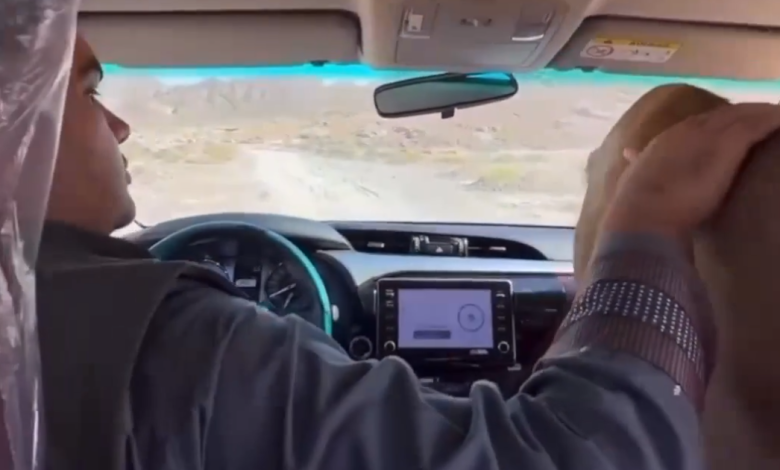
Videos showing lions being kept in the homes of some Afghan citizens, particularly wealthy individuals, have heightened concerns about threats to public safety and the spread of wild-animal ownership. The widespread circulation of these videos on social media has also drawn more attention to the phenomenon.
A video recently posted on social media showed Abdul Hamid Sharifi, a businessman and the head of one of Afghanistan’s football clubs, sitting in his car with a lion. The clip has once again highlighted the issue of keeping wild animals in residential and public settings.
Wildlife experts say a lion may become somewhat accustomed to human presence, but it is not a domestic animal. According to them, the animal’s behaviour becomes unpredictable, especially as it grows older, and there is a risk it may attack its owner or others.
Veterinarians also stress that lions need large spaces, specialised feeding and special care, facilities that are difficult to provide in a home. They warn that transporting a lion by car or taking it to public places could put lives at risk.
The expansion of social media use and some people’s efforts to display wealth and power have been cited as factors behind the greater visibility of this phenomenon. Publishing such videos may also encourage others to buy and keep wild animals.
The trend has also raised questions about where these lions come from, how they are bought and sold, and whether there are permits for keeping them. It is also unclear what owners plan to do with the animals once they grow older and become harder to keep.