Afghans mark Martyrs’ Week with calls for justice and coexistence
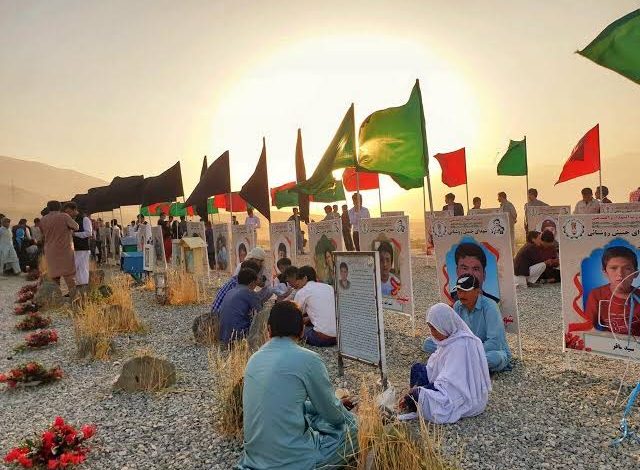
Martyrs’ Week began with social media users stressing justice and coexistence
As 18 Sunbula marked the start of Martyrs’ Week in Afghanistan, social media users shared messages remembering victims of wars, terrorist attacks and decades of violence, while stressing values such as justice, freedom, human dignity and coexistence.
In these messages, the idea of a martyr was not limited to those killed on the battlefield, and civilian victims were also given a prominent place. Some users named the victims of the deadly attacks in Dasht-e-Barchi in Kabul, the Syed al-Shuhada school and the Kawsar educational centre, saying they are part of the collective memory of the Afghan people.
Users also wrote that the victims of war, explosions, terrorist attacks and military operations, regardless of ethnicity, religion or political affiliation, are part of Afghanistan’s modern history and their memory should be preserved with respect. These accounts recalled everyone from fighters killed in wars to civilians targeted in mosques, schools, markets, hospitals and public gatherings.
Nazeer Qasemi wrote in a message: “O martyrs, love is indebted to you; all that we have comes from your blood.” He described the martyrs as symbols of selflessness and sacrifice. Jawad Alamdar also commemorated the martyrs of the Enlightenment Movement, writing that they went, but “the light they ignited with their blood” will not be extinguished.
Hamid Azimi, a Facebook user, also described the martyrs’ blood as part of Afghanistan’s historical path and said their memory could inspire future generations. Some messages also focused on the point that commemorating the martyrs should not be limited to ceremonies, images and slogans.
Mohammad Fawad Malekzada said Martyrs’ Week is an opportunity to pay tribute to the victims of the path to freedom and justice and to reflect on values such as national unity, mutual acceptance, human dignity and the sovereignty of the people’s will. Sayed Abdulqahar Haqeeqat also said that true commemoration of the martyrs is meaningful only when ideals such as justice, independence, coexistence and inclusion are turned into social behaviour.
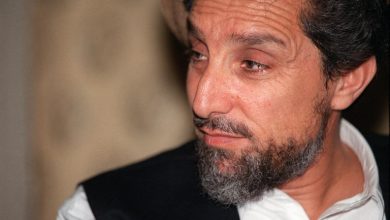
Mohammad Farooq Hassas also commemorated the martyrs in Afghanistan’s history, while criticising those who, he said, had traded the achievements of years of struggle and sacrifice for political and economic interests. Alongside these messages, the 25th anniversary of the martyrdom of Ahmad Shah Massoud also drew the attention of some users.
However, a significant number of the messages published framed the memory of the martyrs as extending beyond any one figure or political current, linking it to the broader history of war and the suffering of the Afghan people. Martyrs’ Week begins every year on 18 Sunbula and in the country’s public memory is accompanied by remembrance of the victims of recent decades of war and debate over their ideals.