Torkham Closure Disrupts Afghanistan-Pakistan Trade and Regional Transit
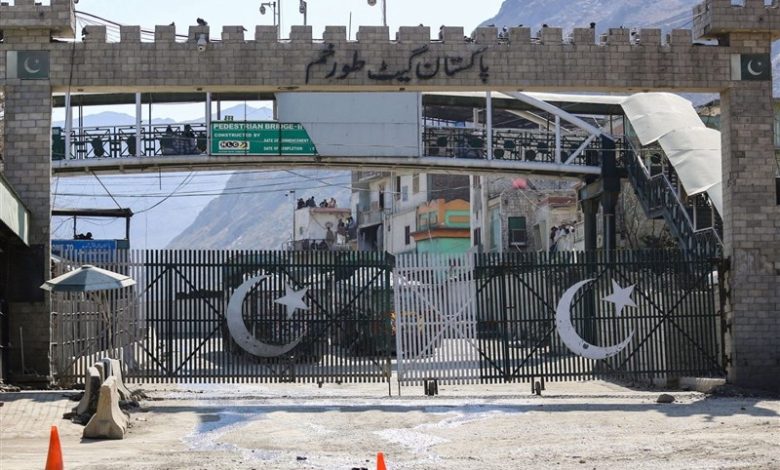
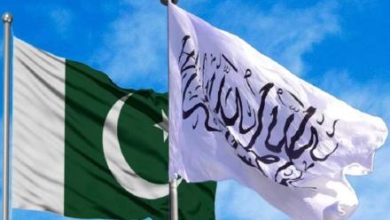
The Torkham crossing has become one of the main bottlenecks for trade between Afghanistan and Pakistan, as well as for regional transit projects, after months of tension and closures. The situation has reduced trade between the two countries and left thousands of containers stranded on both sides of the border.
The Pakistani newspaper The Nation reported that clashes between Afghan and Pakistani forces in October 2025 led to the closure of the crossing. According to the report, Torkham remained shut for more than three months, during which trade between the two countries declined sharply.
The Nation wrote that prolonged closure of Torkham could also be costly for Pakistan, which does not have a suitable alternative route for moving goods to Central Asia. In such a situation, traders may prefer routes through Iran, the Chabahar port and regional rail lines.
This development comes as Afghanistan’s trade with Central Asian countries is also increasing. Based on regional data, Afghan exports to Central Asia rose from about $122 million in 2024 to $216 million in 2025, which could indicate efforts to reduce dependence on Pakistani routes.
At the same time, regional reports show that Pakistan’s border crossings are also facing challenges. The average time for customs clearance at the country’s borders has been reported at about 38 hours, and Torkham is among the slowest crossings in the region.
Alongside these challenges, The Nation said that China, Pakistan and Afghanistan agreed in Beijing in May 2025 to formally include Afghanistan in the China-Pakistan Economic Corridor, or CPEC. Four months later, at the 14th meeting of the Joint Cooperation Committee, the project’s action plan through 2029 was approved, covering the development of industrial zones, the upgrade of the ML-1 railway, and the expansion of road routes from Torkham to Kabul and from Chaman to Spin Boldak.
Experts, according to the report, have warned that expanding the new phase of CPEC will be difficult without guaranteeing the continuity of trade during political tensions. They have stressed customs digitisation, the creation of alternative routes, and the drafting of mechanisms to keep goods moving when borders are closed.
Torkham is one of the most important border crossings between Afghanistan and Pakistan in the east of the country and is located in Nangarhar province. The crossing is one of the main routes for cargo transit and commercial movement between Afghanistan, Pakistan and regional markets.