Taliban-linked Al-Marsad Accuses Pakistan of Organizing Opposition Groups in Balochistan
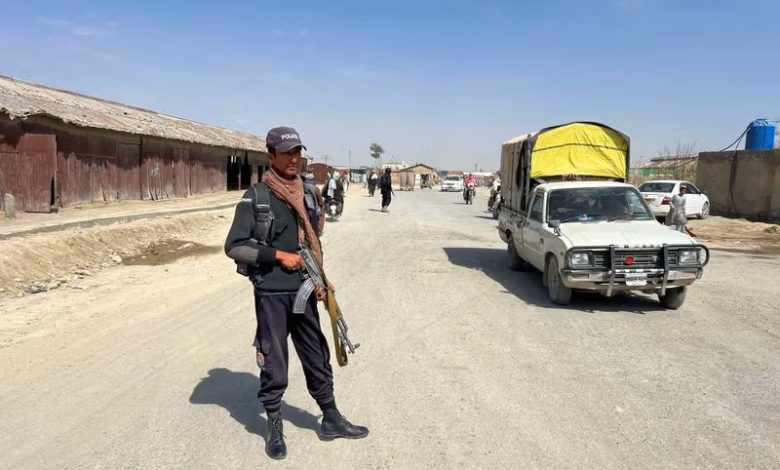
Al-Marsad Darya, a media outlet affiliated with the Taliban administration, has accused Pakistani intelligence of reorganizing anti-Taliban opposition groups in Pakistan’s Balochistan province. The outlet also implicitly claimed that meetings took place between Pakistani officials and figures from Afghanistan’s former government on the sidelines of the Munich Security Conference, a claim made without providing concrete evidence.
Al-Marsad stated that following the Munich Security Conference, Pakistani intelligence met with what it termed “fugitives” and is currently engaged in “cohesion and reorganization of former fugitive tribal leaders” in certain areas of Balochistan. The media outlet did not mention any specific individuals or groups, nor did it provide further details.
The reference likely pertains to the Munich Security Conference held in February of this year, which was attended by Pakistan Army Chief Asim Munir. Reports at the time suggested he held meetings with American and German officials on regional security issues, but no official information was released regarding any meetings with representatives of Afghanistan’s former government.
Alongside these accusations, the Taliban announced on Friday that using drones, they targeted areas in Balochistan and Khyber Pakhtunkhwa. A Taliban official also stated that “security disruptors” will be considered legitimate targets wherever they are found—remarks that may escalate regional tensions.
In recent months, media outlets close to the Taliban administration have repeatedly accused Pakistan of supporting groups opposed to the Taliban. However, clear evidence to substantiate these claims has yet to emerge. Conversely, Pakistani officials have accused the Taliban administration of harboring and inciting the Tehrik-i-Taliban Pakistan and other anti-Pakistan armed factions—an allegation the Taliban denies.
This ongoing exchange of accusations, coupled with a lack of transparency and absence of documented evidence from either side, has heightened concerns over growing distrust and insecurity in the region.