Afghanistan Emerges as Global Hub for Exiled Journalists, RSF Reports
Reporters Without Borders (RSF) has declared Afghanistan the “global epicenter of journalist exile,” revealing that at least 677 Afghan journalists have fled the country between 2021 and 2025 due to threats, arrests, or mortal danger. This figure accounts for nearly half of the total 1,468 journalists worldwide whom RSF has assisted after fleeing their home countries over the past five years. According to RSF, no other country has witnessed such a widespread exodus of journalists during this period. For comparison, 160 Russian journalists and 101 Myanmar journalists received support from the organization within the same timeframe.
These Afghan journalists are now dispersed across 28 countries worldwide. The report emphasizes that with the Taliban’s return to power in August 2021, Afghanistan’s independent media infrastructure has largely collapsed. Severe restrictions on publications, censorship of critical coverage, and increased surveillance of media activities are cited as key factors driving this deterioration.
The largest wave of departures occurred in 2022 when 183 Afghan journalists left the country. The exodus has continued, with 82 more journalists forced to flee in 2025 alone.
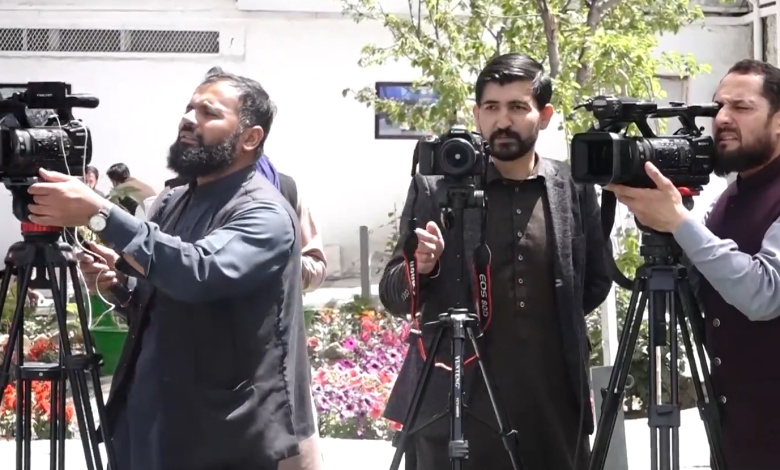
RSF states that journalists remaining in Afghanistan face arrests, interrogations, and various pressures. Additionally, a ban on broadcasting images of living creatures in several provinces has imposed new hurdles, disproportionately affecting television stations and visual journalists. As a result of these restrictions, hundreds of media outlets have been shut down since 2021 and thousands of journalists have lost their jobs.
Female journalists have been especially affected. Taliban-imposed restrictions on women’s education, employment, and social participation have severely limited their professional opportunities, forcing many to either leave the country or abandon their careers in journalism.
However, RSF warns that exile has not guaranteed permanent safety for many Afghan journalists. In host countries, they often face residency challenges, economic hardships, and threats of deportation.
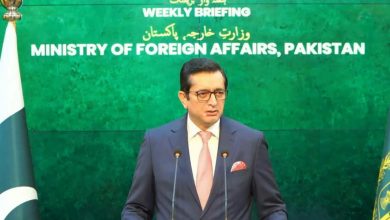
The report also highlights Pakistan’s role, noting that since 2023, the country has begun deporting Afghan migrants. At least 50 journalists have been forcibly returned from Pakistan to Afghanistan during this period. RSF adds that extensions of residence permits for Afghan journalists in Pakistan are rare, leaving many undocumented and vulnerable to arrest or expulsion.
Furthermore, the number of countries from which journalists have been forced to flee has doubled over the past five years, from 19 in 2021 to 40 in 2025.
RSF calls on governments to provide stronger support to exiled journalists by issuing emergency visas, offering long-term residency programs, and preventing forced returns. The organization warns that without such assistance, many journalists fleeing persecution will face a new cycle of insecurity and uncertainty abroad.
According to RSF, options for many Afghan journalists continue to narrow daily: “Disappear from the media scene, exile, or risk detention.”