IAEA Ready to Verify Potential Iran-US Nuclear Deal, Director General Says
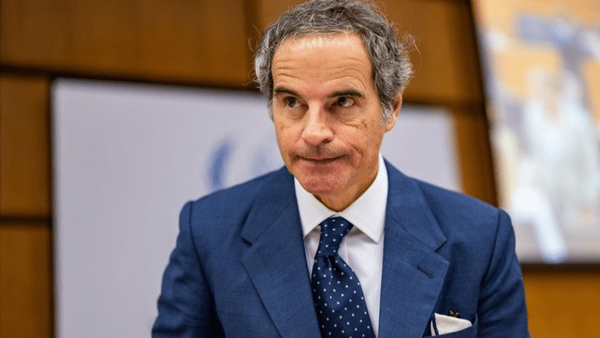
International Atomic Energy Agency (IAEA) Director General Rafael Grossi has stated that the agency is prepared to take on the responsibility of verifying and monitoring the implementation of a possible nuclear agreement between Iran and the United States. Grossi emphasized that the IAEA’s role in any potential deal will be central and decisive.
According to international media reports, Grossi made these remarks on the sidelines of a special seminar for journalists, stating that the agency’s primary mission is verification. If the two sides reach an agreement and request the IAEA to carry out monitoring, he said he would need to seek official authorization from the IAEA’s Board of Governors. He added that any potential agreement would likely require extensive monitoring measures and comprehensive assessment.
These comments come amid reports indicating that Tehran and Washington are nearing an initial understanding. Iranian officials have clarified that this preliminary accord does not initially cover nuclear issues, which are set to be addressed separately during a 60-day negotiation period following the initial understanding.
At the same time, the cooperation atmosphere between Iran and the IAEA remains tense. In its latest report ahead of the Board of Governors meeting, the agency spoke of a “break in continuity of knowledge” regarding certain nuclear activities in Iran—a point viewed by Tehran as raised without consideration of attacks carried out against some of its nuclear facilities. Iran’s mission to the United Nations has described the recent Board resolution as a political measure and has expressed doubts about the IAEA’s impartiality.
In his recent remarks, Grossi also underscored the importance of upholding the Nuclear Non-Proliferation Treaty (NPT) and strengthening multilateral institutions to ensure global security. This comes as the NPT review conference held in New York in May ended without a final consensus document for the third consecutive time, highlighting the increasingly complex environment surrounding international nuclear cooperation.