Trump’s Reshare of Report Sparks Debate Over US Military Presence in Strait of Hormuz
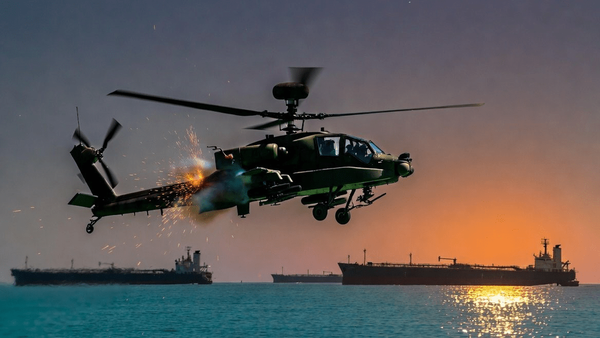
Following reports of a United States Army Apache helicopter being shot down near the Strait of Hormuz, several social media users have raised questions about the US military presence in the region. These questions gained prominence after Donald Trump, the President of the United States, reshared a post on the matter.
Foreign users, referring to the reshared post on the official White House page, have asked why US military forces need to be near Iran’s borders, thousands of miles away from US territory.
The Strait of Hormuz is a crucial maritime route in the region through which a significant portion of the world’s energy supplies pass, making it a focal point for both regional and extra-regional powers. However, questions regarding the extent and justification of military presence by countries in this area have resurfaced in the online space.
So far, no further details have been released on how the incident occurred or the official responses from relevant authorities, but discussions about the role and military presence of the US in the region continue on social media. Below are statements from some users:
“What was your helicopter doing over the Strait of Hormuz, a thousand miles away from US soil? Wouldn’t it be better to bring that helicopter back to monitor US borders rather than those of other countries? This is just a ridiculous excuse always used to justify attacking other countries by accusing them of terrorism, while you are the only terrorist country in the world.”
“Epic rage over the massacre of 171 Iranian schoolgirls by bloodthirsty Donald Trump who fired three Tomahawks at defenseless children will always be remembered!”
“Well, what was our highly advanced Apache helicopter doing over the Iranian coast? 🇮🇷”
“Western civilization is under attack at home while you fly helicopters around Iran on behalf of Israel.”
Caption: ‘I missed you, but I had to go to Iran to kill the children. If I didn’t, those who abused the children would have ended up in prison.’