Russian Official Warns Afghanistan Remains Key Terrorism Threat Amid Taliban’s Contested Control
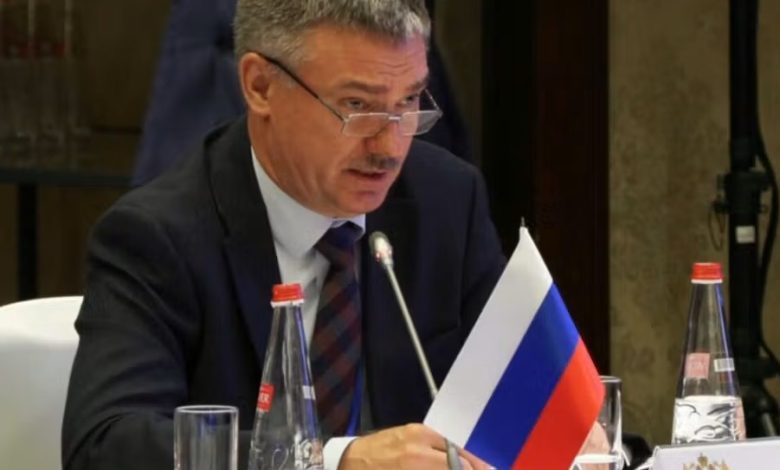
A senior Russian Foreign Ministry official stated that currently, around 20 terrorist groups with approximately 20,000 to 23,000 militants are present in Afghanistan, and the Taliban administration continues to provide conditions that enable some of these groups to operate.
The state news agency TASS reported on Tuesday, June 9, that Peter Ilyichev, Director of the Department for New Challenges and Threats at the Russian Foreign Ministry, warned at the nineteenth meeting of heads of anti-terrorism structures of the CIS (Commonwealth of Independent States) member countries that Afghanistan’s security situation remains critical, posing a serious threat especially to its close neighbors.
According to Ilyichev, the concerns extend beyond the physical presence of these groups to their increasing efforts to access modern technologies. He expressed worry about the possible use of commercial satellite communications by extremist groups and even attempts to employ artificial intelligence.
The Russian official also cautioned about the rising risk of cross-border attacks and targeted programs aimed at radicalizing vulnerable populations in neighboring countries. He added that the expanding links between terrorist groups and organized crime networks have further complicated the situation.
Based on these remarks, these groups finance a significant portion of their resources through drug trafficking, illegal arms trade, smuggling of precious stones and metals, and wildlife trafficking—issues that Afghanistan has grappled with in recent years.
In contrast, Taliban authorities have repeatedly claimed that they do not permit any terrorist groups to operate in Afghanistan and that their territory will not be used against neighboring countries. However, multiple reports from the United Nations and regional intelligence agencies continue to highlight the active presence of groups such as ISIS-Khorasan and other extremist networks in Afghanistan, raising serious questions about the Taliban’s capability or willingness to curb these threats.
Russia has consistently emphasized, in regional forums including the Collective Security Treaty Organization (CSTO), the CIS, and the Moscow Format, the need to prevent Afghanistan from becoming a haven for terrorists and has proposed measures to strengthen the southern borders of Central Asian countries.
Despite these concerns, Moscow and the Taliban administration recently signed a military-technical cooperation agreement. This agreement was signed on June 6 on the sidelines of the International Security Conference in Moscow, attended by Sergey Shoigu, Secretary of the Russian Security Council, and Mullah Yaqoob Mujahid, Defense Minister of the Taliban administration.
During his visit to Moscow, Mullah Yaqoob Mujahid stated that cooperation with Russia is of high importance for the Taliban administration, and the two sides share historical ties. The timing of this agreement amid rising warnings about security threats in Afghanistan has attracted significant attention from regional observers.