Taliban’s Morality Police Acts More as Intelligence Agency Amid Rising Public Discontent
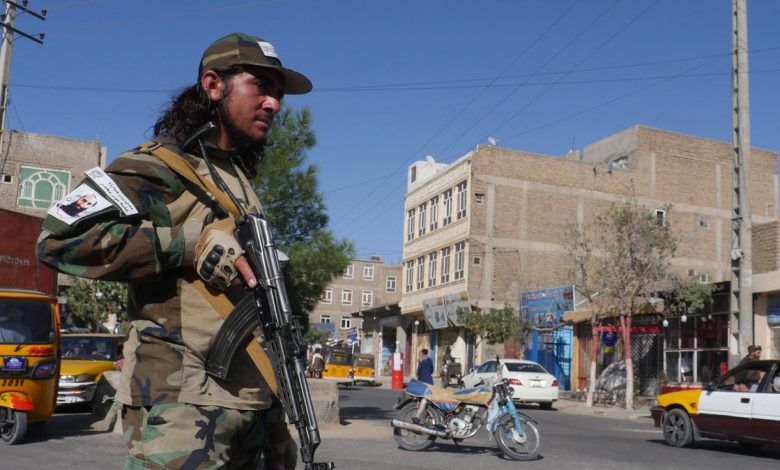
The Taliban’s Department for the Promotion of Virtue and the Prevention of Vice functions more as an intelligence agency than a religious institution, operating primarily to implement the Taliban’s security projects.
In reality, the Taliban use this department mainly as a facade to morally justify their security operations.
Most arrests conducted by the Taliban’s morality police are measures to pressure the public into absolute compliance with the Taliban, rather than responses to genuine religious violations.
Naturally, this approach by the Taliban is gradually pushing people’s patience to its limits. To manage the population living under their imposed climate of repression, the Taliban have relied chiefly on two tools.
First, by establishing certain organizations and institutions—such as the High Commission for Shiites—and employing individuals within these structures.
Second, by creating safety valves to release some social pressure through permitting controlled protests by select individuals cooperating with the Taliban.
Meanwhile, the recent events in Jebrail, Herat, represent only the tip of the iceberg of accumulated dissatisfaction that is now increasingly surfacing as public patience runs out.
The protests in Jebrail against the injustices they have endured, especially the unwarranted arrests related to people’s personal honour, are just one manifestation of deeper grievances towards the Taliban’s governance methods.
The continuous pressures the Taliban have imposed over the years have not yet triggered widespread public protests, partly due to the effects of the two aforementioned tools.
In practice, some Taliban-supported agencies and organizations have functioned less as representatives of genuine public demands and more as vehicles to gradually transmit and enforce Taliban policies on society.
Additionally, some collaborators who accept the Taliban’s rule have positioned themselves as critics, occasionally making low-cost verbal protests that, without real action, dissipate some public anger and prevent it from becoming a widespread demand.
However, the ongoing oppression by the Taliban is such that these ineffective protests cannot contain the public’s simmering anger indefinitely.
The Taliban’s actions continue to fan the flames beneath the surface of widespread discontent, signaling that the era when a few speeches, statements, or empty verbal protests could placate the people is drawing to a close.
Gradually, the effectiveness of affiliated institutions and figures who have so far helped manage public anger is declining. If dissatisfaction spreads, these tools’ capacity to control the situation will become increasingly limited.
In this context, if the Taliban want to ensure their survival, they have no choice but to cease oppression and respect the human and Islamic rights of the people.
Moreover, those institutions and individuals who have facilitated the Taliban’s projects or managed public dissatisfaction through futile verbal protests must understand that in times of social transformation, standing either with or against the people carries costs and consequences.
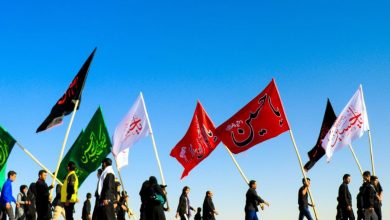
With the upcoming month of Muharram and the Ashura atmosphere approaching, it is unlikely that the people will accept humiliation.