Taliban Begins Digging Supply Trenches Along Durand Line to Support Border Posts
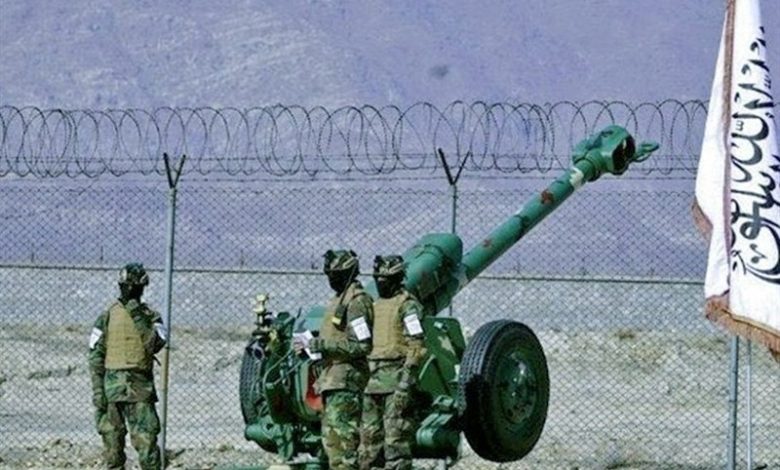
The Taliban administration has initiated the excavation of “supply trenches” along the Durand Line in the provinces of Khost, Paktia, and Paktika. This move aims to facilitate the transfer of equipment, ammunition, and necessary supplies to border outposts. The project comes amid serious logistical challenges faced by several Taliban border posts in recent months.
According to local media reports, these trenches are being constructed across multiple border districts and are planned to expand to other border provinces in subsequent phases. Workers involved in the project have stated that difficulties in transporting equipment and the vulnerability of some outposts have compelled the Taliban administration to create safer supply routes.
In the initial phase, trenches approximately one meter wide are being dug to allow Taliban forces and pack animals to transport weapons and equipment. Available information indicates that supplies and food items are first unloaded at farther points and then delivered to border posts through these supply trenches.
In the second phase, on flat terrain, trenches about two meters and 20 centimeters wide will be constructed, allowing vehicles to travel relatively securely. Local sources say the lack of proper supply routes in certain eastern and southeastern areas has resulted in damage to or the evacuation of some outposts, highlighting weaknesses in the Taliban administration’s planning and security management.
Over recent years, the Taliban have established dozens of security posts along the disputed Durand Line, a boundary that has been a point of contention between Afghanistan and Pakistan since its demarcation. Meanwhile, tensions continue between the two sides regarding the construction of posts and the installation of barbed wire, with the most recent clash occurring in February 2026, involving aircraft, drones, and heavy weaponry.
On the other side, Pakistan has also built over 1,400 security posts along the border and announced the development of advanced surveillance equipment and armored outposts in these areas, indicating that the militarization of this border line is ongoing and intensifying.