Russia Signals Conditional Extension of UNAMA Mission in Afghanistan Amid Growing Concerns
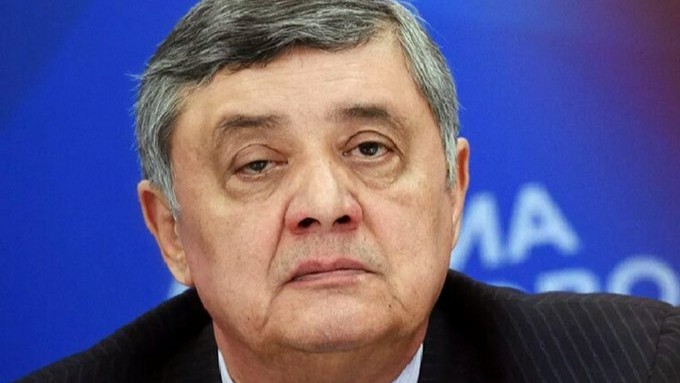
Russia has announced that the United Nations Assistance Mission in Afghanistan (UNAMA) will continue, but its extension may come with certain conditions. Zamir Kabulov, Russia’s special envoy for Afghanistan, told the Izvestia newspaper that Moscow expects the UN Security Council to extend the mission, although questions remain regarding its activities and effectiveness.
Kabulov stated, “Yes, of course the mission will be extended, but with some conditions, because there are questions about the mission’s activities. We hope all these matters will be taken into account.”
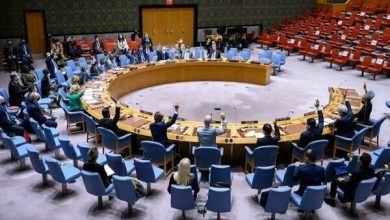
The future of UNAMA became a focal point after the UN Security Council, in March, extended the mission for only three months — until June 17, 2026 — rather than the usual one-year renewal. This decision followed Washington’s call for a review of how aid is delivered and engagement with Afghanistan under Taliban rule.
UNAMA is the United Nations’ most significant political and humanitarian mission in Afghanistan. The mission coordinates international aid, engages with Taliban officials and regional actors, and monitors human rights conditions and governance structures. Given the extensive restrictions and international criticism of the Taliban administration, UNAMA’s role in safeguarding citizens’ rights and delivering vital aid has become increasingly prominent.
Discussions on UNAMA’s future continue amid a worsening humanitarian crisis in Afghanistan. The United Nations reports that millions of Afghans face food insecurity, unemployment, and reduced access to healthcare and basic services.
In recent years, international aid levels have significantly diminished. UN-affiliated organizations have repeatedly warned about funding shortfalls that threaten the continuation of humanitarian operations across various regions. Concurrently, geopolitical tensions and regional instability have complicated aid delivery.
Meanwhile, Russia has expanded its contacts with the Taliban administration and emphasized the importance of continued international engagement with Afghanistan. Moscow argues that maintaining working channels with current authorities is essential to addressing the humanitarian crisis and combating extremist groups such as ISIS, which it views as a serious regional security threat.
Kabulov also said that if the Taliban officially requests it, Russian leadership will agree to send more humanitarian aid in the second half of this year. According to him, Russia has sent nearly 4,000 tons of wheat flour to Afghanistan this year and, over the past two years, has provided more than 5,200 tons through the UN World Food Programme. It is reported that Kabul, following recent tensions with Iran, has requested an increase in wheat exports from Russia.