UN Report Finds 75% of Afghanistan’s Population Unable to Meet Basic Needs Amid Worsening Crisis
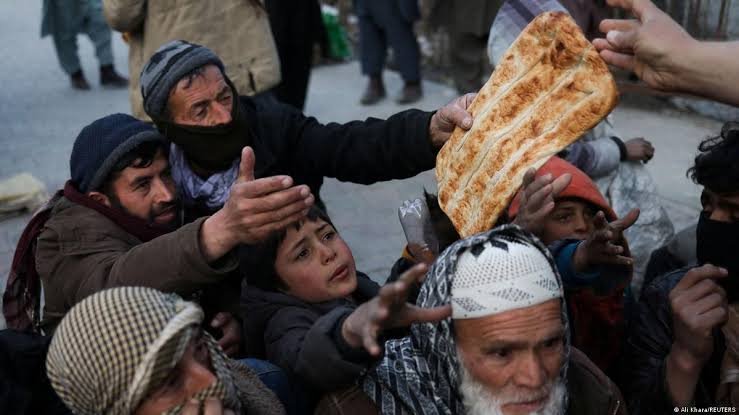
New findings from the United Nations reveal that nearly 28 million Afghan citizens, approximately 75% of the country’s population, are living in conditions where they cannot meet their basic daily needs. This situation highlights an unprecedented expansion of poverty and a deepening humanitarian crisis in Afghanistan.
Experts from the UN identify three primary factors driving this collapse: a historic decline in foreign humanitarian aid, ongoing widespread drought, and work and education restrictions imposed by the Taliban’s administration on women and girls, effectively excluding half of the population from the economic cycle. The systematic exclusion of women from work and education has not only damaged household livelihoods but has also severely diminished the country’s productive capacity and economic growth.
Meanwhile, the forced or voluntary return of nearly 2.9 million Afghan migrants from neighboring countries throughout 2025 has put additional pressure on the country’s fragile infrastructure, particularly in health and education sectors, creating serious challenges to meeting increased service demands.
According to the report, over four out of every five families in Afghanistan are now struggling with debt. Many families, in their fight for survival, are forcing their children into heavy labor or exposing them to forced marriages—actions that carry long-term social and human consequences.
At the same time, this year’s drought has affected 64% of the country’s areas. The closure or partial shutdown of more than 440 health centers has led to a rise in deaths from treatable diseases, underscoring that the current crisis is not only economic but also deeply human and structural in nature.