Mullah Baradar Urges Religious Scholars to Support Taliban’s Islamic System
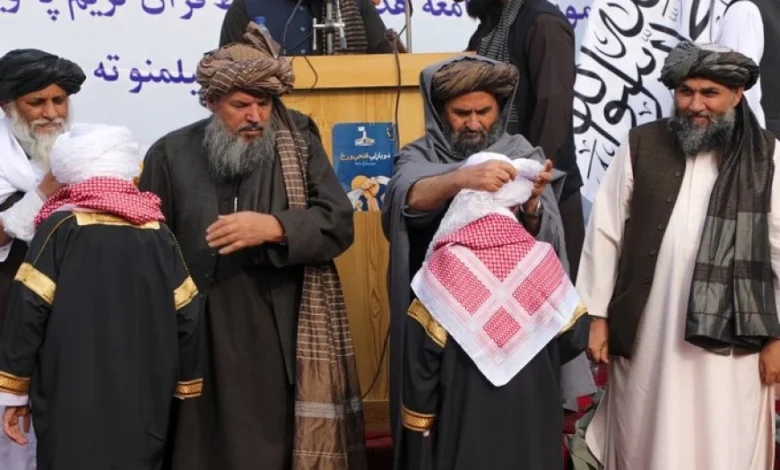
Mullah Abdul Ghani Baradar Akhund, the Taliban’s Deputy Prime Minister for Economic Affairs, has emphasized the role of religious scholars and madrasas in strengthening what he described as the “Islamic system and national interests” during a graduation ceremony at Jamia Fath-ul-Uloom in Kabul.
According to a statement from the Economic Deputy’s press office, Baradar said that Islamic schools hold a central position in Islamic societies by teaching religious sciences, providing moral training, and shaping the intellectual outlook of the public. He urged scholars to not only explain religious obligations but also to soften their preaching tone and promote the Taliban’s ideological concepts within society.
Baradar claimed that the Islamic concept of the “obligation of jihad” in Afghanistan originated from madrasas and later spread to villages and cities—a narrative he said resulted in military conflicts. His remarks come amid ongoing criticism from segments of Afghan society and international watchdogs, who argue that linking religious education to the legitimization of violence and military confrontation is problematic.
He further highlighted the importance of madrasas in reforming societal thinking, eliminating what he referred to as “non-Islamic cultures,” and preserving religious narratives. Baradar stressed that these educational institutions must align with the Taliban’s directives under all circumstances—an outlook that has raised concerns about educational independence and intellectual diversity in the country.
At the end of the ceremony, the Deputy Prime Minister congratulated the graduates of Jamia Fath-ul-Uloom and urged them to practice what they have learned, pass on their knowledge, and interact with the public according to the ethical standards of the Prophet Muhammad.