Over 200 Prisoners Complete Educational Programs in Herat Central Prison
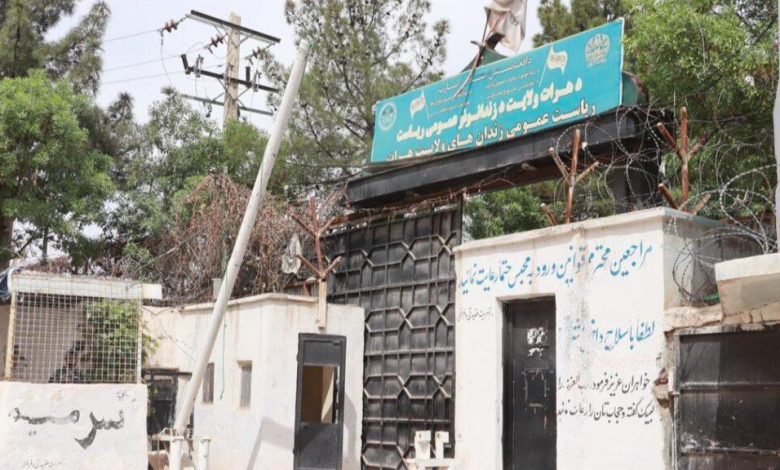
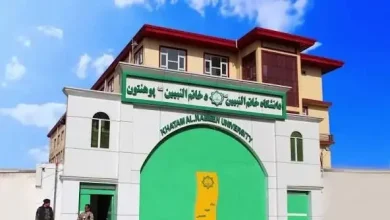
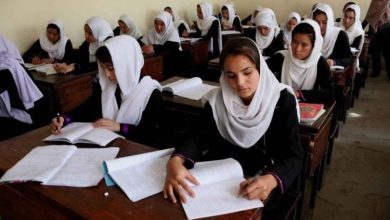
Officials at Herat Central Prison announced that more than 200 inmates have graduated from courses in Quran memorization, religious education, literacy, and technical and vocational training programs. According to them, these programs aim to improve prisoners’ job skills and reduce the likelihood of reoffending after release.
Qari Saif-ul-Amr Waziri, head of physical education and training at Herat Prison, stated that the graduates included participants from Quran reading and memorization classes, literacy courses, and various vocational training sections. He added that separate classes for men and women were held with professional instructors, so inmates could acquire practical skills alongside religious education.
According to this official, currently, 12 technical and vocational training departments are active in Herat Prison, allowing inmates to gain skills in different fields. However, no clear statistics have been released about how many prisoners overall have access to these programs or the extent of their coverage.
Furthermore, no detailed information has been provided regarding support measures for released prisoners and efforts to provide employment opportunities for them—an issue that is crucial in assessing the actual impact of these programs. Social experts emphasize that prisoner education will yield sustainable results only if accompanied by post-release support programs and transparent policymaking by the Taliban administration and responsible institutions. Otherwise, the risk of inmates returning to the cycle of crime remains high.