Pakistani Forces Deploy in Yemen’s Hadramawt Following UAE Withdrawal
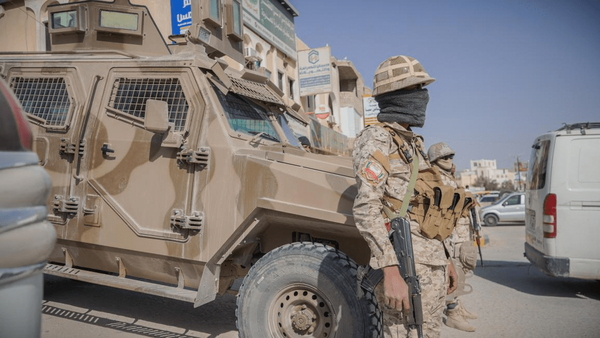
Following the withdrawal of Emirati forces from the strategic Hadramawt province in eastern Yemen, reports indicate that Pakistani troops, under pressure and coordination with Saudi Arabia, have entered the area. This deployment is part of the Riyadh-led coalition and was requested by the head of the Saudi-backed Yemeni council, signaling a shift in the power balance in eastern Yemen.
According to Al-Araby Al-Jadeed, Pakistani forces have been stationed at key locations in Hadramawt, including the Riyan International Airport in the city of Mukalla and various oil fields. The presence aims to protect vital facilities and Yemen’s oil resources, most of which are concentrated in Hadramawt. It is also reported that these forces are tasked with training, reorganizing, and empowering military units loyal to the Riyadh-backed government.
Analysts view this development within the framework of a joint defense agreement between Riyadh and Islamabad. They believe that given Pakistan’s economic challenges and its need for financial aid from Saudi Arabia—including multibillion-dollar deposits recently provided by Riyadh—this military cooperation may also have economic dimensions.
However, the move has raised questions and concerns. Some security analysts warn that deploying the Pakistani military in regional conflicts could affect the country’s international standing. There are also concerns about the potential domestic consequences of sending troops to volatile areas.
These recent developments followed security incidents in Hadramawt in late December 2025, which ended the UAE’s presence in Yemen and led to the collapse of military and political structures affiliated with Abu Dhabi in the country. Additionally, the Southern Transitional Council was dissolved on January 9 this year, following tensions with Saudi Arabia triggered by efforts from UAE-affiliated groups to simultaneously control Hadramawt and Al-Mahrah.