US says it is focused on completing troop withdrawal from Iraq by September 30
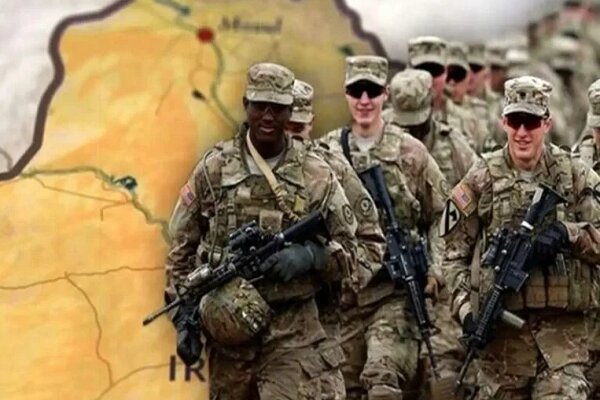
The US State Department says the withdrawal of American forces from Iraq is continuing under the timeline agreed with Baghdad, and that Washington is focused on completing the process by Sept. 30, coinciding with the announced end of Operation Inherent Resolve.
A spokesman for the department said the end of coalition military operations in Iraq is being pursued within the same framework. He added that the transition reflects the growing capability of Iraq’s security forces, including the Peshmerga.
According to the US State Department spokesman, the process could enter a new phase in relations between Washington and Baghdad. He also stressed US support for efforts to assert Iraq’s sovereignty and prevent attacks inside the country or from its territory.
The remarks come as the presence of US troops in Iraq has been one of the main subjects of talks between Baghdad and Washington in recent years. Operation Inherent Resolve is the name of the US-led international coalition mission in Iraq and Syria.