Pakistan Labels Taliban ‘Unreliable,’ Launches Military Strikes Amid Rising Tensions
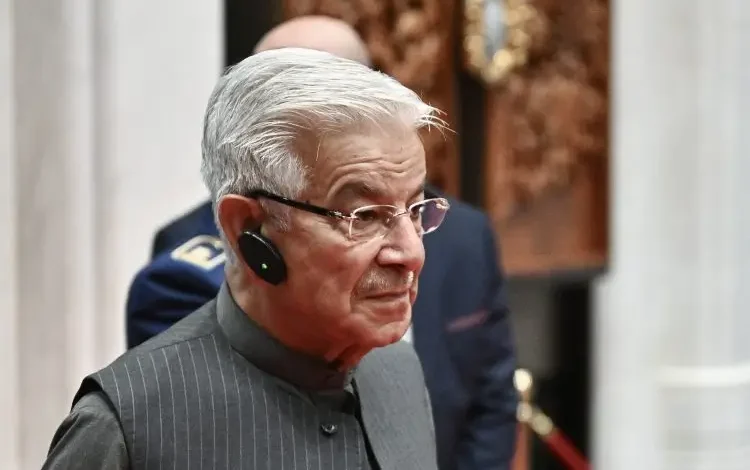
Following escalating tensions between Islamabad and the Taliban administration, Pakistan’s Defence Minister Khawaja Muhammad Asif described the Taliban as ‘unreliable and representatives of India,’ announcing that Pakistani forces have targeted Taliban military positions under an operation named ‘Ghadhb al-Haqq.’ Concurrently, reports have emerged of explosions and airstrikes in Kabul, Kandahar, Paktia, and Nangarhar.
On Thursday night, February 26, Asif wrote on his X (formerly Twitter) account that after NATO forces withdrew, it was expected that the Taliban would focus on the interests of the Afghan people and regional stability. However, according to him, Afghanistan has instead become a sanctuary for terrorists and a base for exporting insecurity. He also accused the Taliban administration of depriving citizens of fundamental rights, particularly women’s rights—a matter that international organizations have repeatedly criticized in recent years.
The Pakistani Defence Minister claimed that Islamabad has sought to normalize the situation through direct channels and extensive diplomacy, but the Taliban ‘act as representatives of India’ and intend to target Pakistan. He emphasized that Pakistani forces are delivering a ‘decisive response’ and warned that ‘open war has begun.’
On the other side, Zabihullah Mujahid, the Taliban spokesperson, confirmed that several locations in Kabul, Kandahar, and Paktia have been bombarded by Pakistani forces. To date, the Taliban administration has not independently disclosed details about casualties or damages resulting from these attacks.
Geo News network reported that in the ‘Ghadhb al-Haqq’ operation, Taliban military facilities in several provinces were targeted, including the destruction of a large ammunition depot in Nangarhar. According to the report, multiple Taliban positions were also struck in the Kurram area, resulting in the deaths of dozens of group members.
Pakistan states that this operation was launched in response to what it calls the Taliban’s ‘unprovoked actions along the border,’ and that attacks are ongoing. The increase in border clashes comes as the Taliban administration, over more than four years, has failed to establish nationwide security and stable relations with neighboring countries—a situation that directly affects the lives of border residents and regional stability.