33 Human Rights Groups Demand Taliban Leaders Be Prosecuted for ‘Crimes Against Humanity’ at UN General Assembly
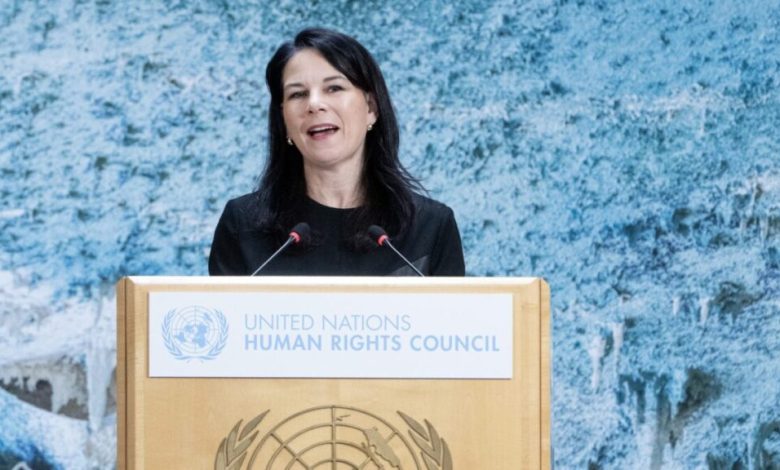
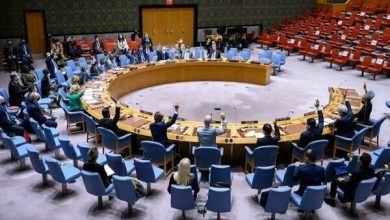
Thirty-three human rights and Afghan women’s rights organizations have called on Annalena Baerbock, President of the 80th UN General Assembly, to recognize “gender apartheid” and prosecute Taliban leaders for “crimes against humanity.” These organizations emphasized that the Taliban’s policies have deliberately, systematically, and gradually excluded women from social participation.
The letter states that Afghanistan is currently facing one of the deepest human rights crises of our time, a crisis that the signatories say is a direct result of the Taliban administration’s targeted, systematic orders, policies, and actions. They stressed that this process is not accidental but part of a structural plan to remove women from public life in the country.
According to these organizations, the imposition of what they term “full-scale gender apartheid” represents a widespread and ongoing violation of fundamental human rights and demonstrates the systematic denial of humanity, inherent dignity, and legal personality of half of Afghanistan’s population. The letter underlines that this situation constitutes a “widespread international crime.”
The letter was signed by the Afghan Women’s Voice Movement, the Women’s Freedom Movement, the Afghanistan Women’s Lantern Freedom Movement, the Women for Equality Movement, alongside 29 other organizations. The coalition has requested that the President of the UN General Assembly use the UN’s legal, diplomatic, and institutional mechanisms to halt this process and facilitate the criminalization and recognition of gender apartheid against Afghan women.
Signatories also called for an end to policies of engagement, normalization, or any form of legitimization of the Taliban administration, especially referencing the Doha process. They warned that continuing such approaches not only calls justice and human rights into serious question but also undermines the credibility of the international legal order and may reinforce patterns of repression and injustice worldwide.