UN: Majority of Afghan Returnees in 2025 Lack Formal Education and Job Skills
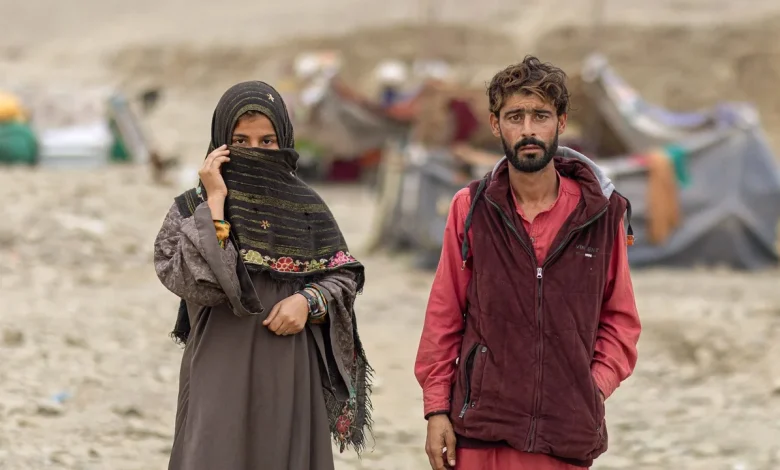
The United Nations High Commissioner for Refugees (UNHCR) has reported that in 2025, most Afghans returning from Iran and Pakistan lack formal education and job skills, a situation that could, according to the agency, intensify competition for limited resources in the poorest and most vulnerable district communities.
According to UN statistics, 2.9 million people returned to Afghanistan last year; 1.9 million from Iran and one million from Pakistan. Among them, 67 percent of returnees from Iran and 70 percent from Pakistan had no formal education, and 53 percent of all returnees reported having no professional skills.
The report states that data from 2025, compared to 2023 and 2024, shows a clearer pattern of “negative self-selection,” meaning individuals with lower education levels opted for return earlier. Also, the proportion of uneducated individuals among returnees is higher than those remaining in host countries, indicating their greater vulnerability.
A significant portion of these returns has not been voluntary. Sixty-one percent of returnees from Pakistan said they had no choice in the decision to return; this figure rises to 73 percent for those returning from Iran. The UN warned that forced returns could seriously challenge protection and reintegration processes.
The report also reveals that in recent years, the composition of returnees has changed, with an increase in families, especially those who have lived for many years in Iran and Pakistan. Many children and adolescents in these families were born and raised in the host countries and have limited social and economic ties to their original regions in Afghanistan.
According to the UNHCR, this situation has complicated the reintegration process as returnees face difficulties accessing livelihoods, basic services, civil documentation, and support networks. Given that the Taliban administration has failed to provide widespread and secure services and that human rights restrictions and risks of arbitrary arrests continue to be reported, these families’ vulnerability has increased.
Post-return monitoring shows that 88 percent of returnees are in debt, 65 percent face food insecurity, 57 percent rely on daily wage labor, and 14 percent earn less than 1,500 Afghanis. Additionally, 45 percent of children have been deprived of schooling.
The UN added that six percent of returnees intend to leave their current locations, and 11 percent of returnees from Pakistan reported that some relatives or community members have returned to Pakistan. According to these statistics, nearly five million migrants have returned to Afghanistan in the past two years, and the return process continues.