UN Special Rapporteur Labels Taliban Policies Against Women As ‘Crimes Against Humanity’
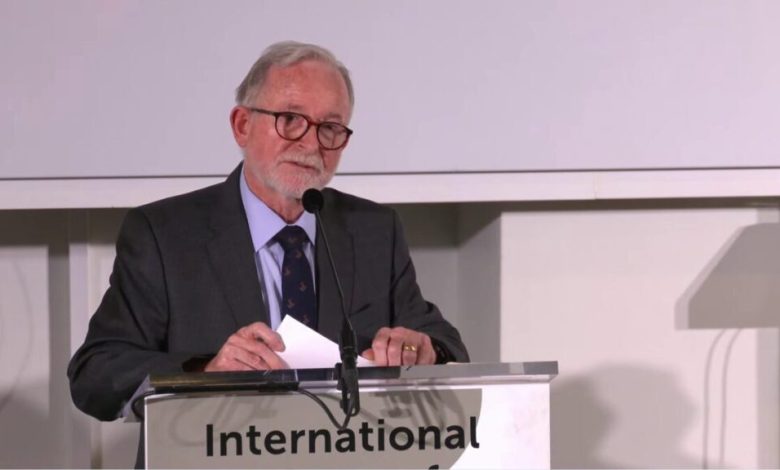
Richard Bennett, the United Nations Special Rapporteur on Afghanistan, reported to the UN Human Rights Council that women and girls in Afghanistan live under an institutionalized system of “discrimination, oppression, and gender dominance” imposed by the Taliban administration; a structure he stated could be considered “equivalent to crimes against humanity.”
He warned that these policies permeate nearly all aspects of women’s lives, severely restricting their rights in areas such as education, employment, freedom of movement, health, access to justice, freedom of expression, association, and participation in public life. Bennett emphasized that without immediate and sustained international intervention, Afghanistan will face both immediate and long-term consequences.
The report details how, following their return to power, the Taliban established an ideological framework based on patriarchal stereotypes aimed at stripping women of fundamental rights and freedoms. Bennett explained that these restrictions are enforced through discriminatory decrees, coercive measures, physical violence, and ideological indoctrination.
The UN special rapporteur described the current situation as evolving into a “highly repressive” social order where the independence of women and girls is gradually being eliminated. He added that this process has profound effects on women’s physical and mental health, as well as on their access to health services and family survival.
Bennett also expressed concern about the shortage of healthcare workers, especially female staff and emergency care specialists. According to him, the widespread migration of skilled professionals due to economic hardship and the Taliban’s restrictive policies has pushed the country’s health system into an unprecedented crisis. Economic pressures in provinces have also forced healthcare workers to relocate to urban centers, exacerbating shortages in rural areas.
The report further states that many Taliban-appointed officials in the Ministry of Public Health lack the necessary expertise and experience in the health sector; a situation Bennett believes reflects appointments based on political and ideological loyalty. He added that many managerial positions in hospitals and health departments are now held by individuals without professional training, and many women have been removed from leadership roles.
The special rapporteur also noted receiving multiple reports indicating that some women have been denied access to healthcare services, even in urgent cases, due to the absence of a male guardian, a situation that could seriously endanger patients’ lives.
Bennett explained that for this report, individual and group interviews were conducted with 137 Afghan citizens across 29 provinces. Participants included current and former healthcare workers, members of civil society organizations, and healthcare service users.
He noted that the perspectives of vulnerable and at-risk groups—including women in remote areas, persons with disabilities, children and adolescents, and survivors of gender-based violence—are reflected in the report.