Afghan Refugees in Kakuma Camp Face Food, Water, and Security Shortages
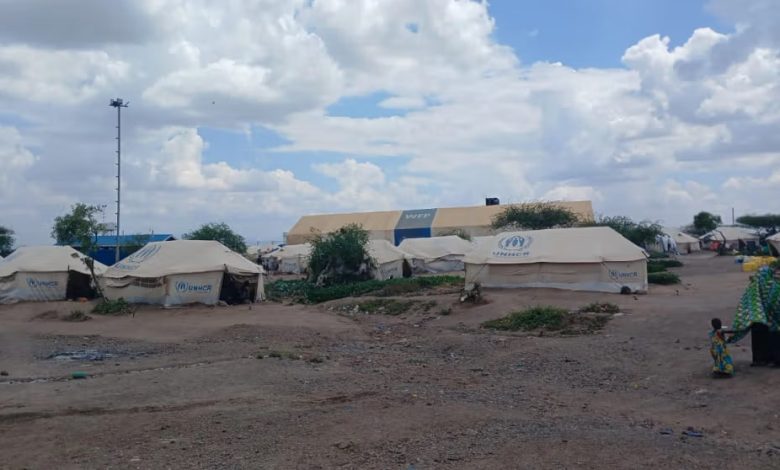
A number of Afghan refugees in the Kakuma camp in Kenya’s Turkana County say their living conditions are deteriorating alarmingly, with shortages of food, clean drinking water, medical services, and security. They warn that humanitarian aid is insufficient and that the resettlement process has been subject to long delays.
According to these refugees, who fled Afghanistan after the Taliban took over in August 2021 due to security concerns and human rights violations, they are now struggling with harsh living conditions in one of East Africa’s most remote areas. Families say there are virtually no job opportunities, and their complete reliance on limited aid has left them in a vulnerable situation.
One refugee told media on Tuesday that unidentified individuals inside and around the camp have beaten some refugees and stolen their mobile phones. A former Afghan security official currently in the camp stated that criminal groups approach tents at night or intercept refugees during the day to rob their belongings. He claims that there is insufficient attention to providing security and addressing refugees’ basic needs.
Videos released from inside the camp show poor conditions of many tents and basic facilities. Families say many children have no access to regular education, and young people see no clear prospects for their future.
The Kakuma camp, located in northwestern Kenya, has hosted refugees from various countries since 1992. However, Afghan refugees say that after fleeing widespread violence and restrictions in Taliban-controlled Afghanistan, they now face severe psychological pressures, uncertainty, and long waits for transfer to third countries.
They call on the United Nations, aid organizations, and donor countries to urgently review the situation of Afghan refugees in Africa, increase humanitarian assistance, and strengthen fair and expedited resettlement processes, access to education, and livelihood programs. These families believe that global neglect could deepen their humanitarian crisis.