Wahid Omar Warns Afghanistan’s Future Uncertain Without Inclusive Governance and Modern Education
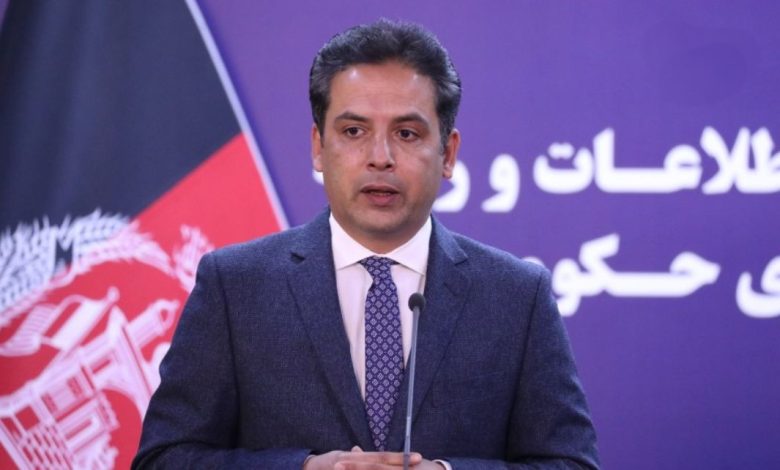
Wahid Omar, former spokesperson of the presidency under the republican system and head of the Center for Strategic Studies, has warned that if the current political and administrative path continues, one must question the state of Afghanistan five years from now. He emphasized that without a legitimate, inclusive, and law-based system and investment in modern education, the country’s future will face profound challenges.
According to Omar, the real power of any nation rests on its human capital, knowledge, and efficient structures; however, Afghanistan is experiencing a backward trend in these areas. He wrote that the generation educated in contemporary sciences over the past two decades has either left the country or is now facing restrictions and isolation within.
Expressing concern, he added that a large portion of the future workforce is being educated in schools or institutions with curricula similar to that of madrassas, while millions of girls and women remain deprived of education and work. These restrictions, intensified since the Taliban’s administration took over, many experts believe, could deepen Afghanistan’s educational and professional gap with the region.
Omar predicted that if this situation persists, millions of girls will be excluded from education in the next five years, and many young people will enter the labor market solely with religious education—a scenario that, he argues, will reduce the country’s competitive capabilities.
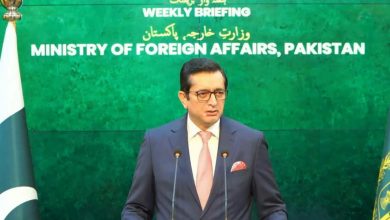
In a regional comparison, he pointed to Pakistan’s educational and scientific advancements, noting that the country has systematically strengthened its human capacity through the establishment of universities, research centers, and technical institutions, producing numerous specialists annually in scientific and technical fields.
Omar questioned how Afghan school graduates would be able to compete with a generation equipped with modern science and technology in the region. Raising critical questions, he noted that without economic, technical, and diplomatic capacities, regional competition will be impossible.
This former figure of the republican government stressed that for Afghanistan to overcome the current crisis, it requires a legitimate and inclusive system, active relations with the world, contemporary education, an organized defense force, and international partners. In his view, isolation and reliance on emotional slogans cannot substitute for investing in science and strengthening human capital—a path that forms the foundation for the country’s sustainable future.