Residents of Ghazni Demand Concrete Action to Improve Tourism Facilities
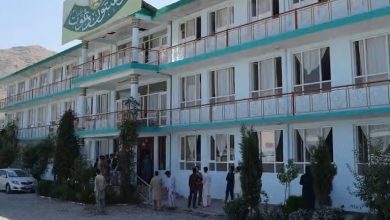
Some residents of Ghazni province, highlighting the increasing influx of domestic and foreign tourists, say the lack of standard recreational and accommodation facilities has prevented visitors from staying in the province for extended periods. They urge the Taliban administration to take practical and well-planned steps to establish quality parks, modern hotels, and other necessary tourism infrastructure.
Ghazni is considered one of the country’s important historical and cultural provinces, attracting hundreds of visitors annually who come to see its historical monuments and sites. The Ghazni Department of Information and Culture announced earlier this year that in the past year, approximately 30,000 domestic and foreign tourists visited the province. Residents believe this number could increase significantly if suitable facilities are provided.
Local Taliban officials also acknowledge the shortage of facilities. Mawlawi Hamidullah Nisar, head of Ghazni’s Information and Culture Department, stated that meetings have been held with municipal authorities to take practical steps toward creating recreational areas. However, detailed plans and specific timelines for these initiatives have yet to be announced.
According to him, several national businessmen have expressed willingness to invest in the tourism sector, and recently a private investor opened a sauna pool in Ghazni city with an investment exceeding $2.5 million. Nevertheless, citizens emphasize that these scattered efforts do not meet the growing needs of the tourism industry, and the Taliban administration must present a comprehensive and executable plan to develop this sector.
Residents also recall that during the previous government, a plain in Nawa district was designated as a national park, but no concrete progress has been made so far. They believe that activating such projects could play an important role in boosting the economy and creating job opportunities in the province, a demand that remains unanswered.