UNESCO: 40% of the World’s Population Lacks Access to Mother Tongue Education on International Mother Language Day
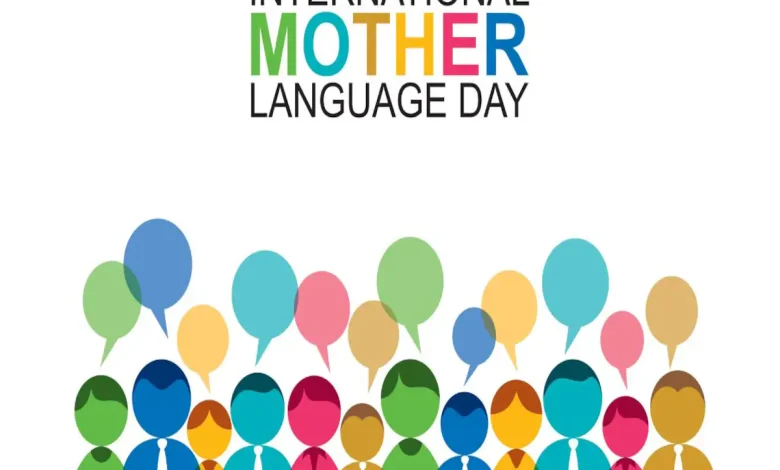
On International Mother Language Day, UNESCO highlighted the gradual disappearance of languages as a serious threat to global linguistic diversity. The United Nations Educational, Scientific and Cultural Organization (UNESCO) announced that currently, 40% of the world’s population does not have access to education in a language they use or understand.
International Mother Language Day was established in 1999 at the UNESCO General Conference and has been celebrated annually worldwide since 2000. The day is intended to emphasize the importance of preserving languages and promoting multilingual education.
UNESCO believes that cultural and linguistic diversity plays a fundamental role in creating sustainable communities. Within its mission framework, the organization strives to preserve and support cultural and linguistic differences that promote tolerance, mutual respect, and coexistence.
The statement issued by UNESCO notes that despite challenges, there have been advances in multilingual education, particularly at the primary level, and global awareness of the importance of mother tongue education is increasing.
UNESCO Director-General Khaled El-Anani stated on this occasion that the organization seeks greater investment in passing languages on to future generations by placing youth at the center of solutions. He emphasized that linguistic diversity is the foundation of peace, human dignity, and social inclusion, and no voice should be excluded from the shared narrative of humanity.
Afghanistan, as a country with a multilingual and multicultural fabric, serves as an example of the importance of preserving and strengthening mother tongues to promote coexistence and equitable access to education.