Drinking Water Shortage in Kabul Worsens Amid Ramadan
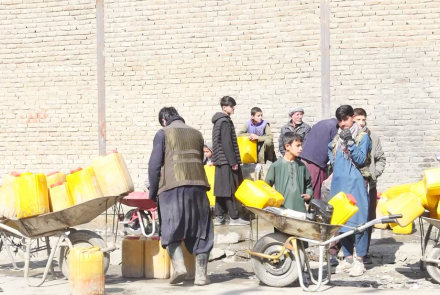
As the month of Ramadan begins, residents of Kabul report a worsening shortage of drinking water, stating that securing their most basic needs has become a serious challenge. They urge the Taliban administration to take immediate and practical measures to contain the crisis and prevent its escalation.
Many residents of the capital say that in numerous areas, tap water is not available, and a large number of wells have dried up. According to them, women, children, and elderly people are forced to wait in long lines for hours or walk long distances in search of water; a situation that has made daily life especially difficult during fasting days.
Hyder Bar, Deputy Head of the Women’s Rights Division at Human Rights Watch, also stated on his X (formerly Twitter) account that women bear the brunt of the water crisis in Kabul. He emphasized that women are compelled to walk for hours to obtain small amounts of water, adding to their burden.
In response to these concerns, the state-owned Water Supply and Sewerage Company announced that to manage the crisis, it has shifted its focus from groundwater to the use and management of surface water sources. Rahmatullah Sarim, the company spokesperson, said this approach was adopted to control the current situation.
Meanwhile, Kabul residents had previously warned about the significant decline in the groundwater levels. They report that in recent years, the number of deep wells in the city has increased, and drilling companies have been extensively active in various areas, a practice that some experts believe may have contributed to exacerbating the crisis.
With the situation ongoing, citizens are calling for transparent planning, strict oversight of water sources, and sustainable solutions from the Taliban administration. They warn that the lack of effective management and clear accountability increases the risk of further spreading the water crisis and threatens the livelihoods of thousands of families in the capital.