Rising Poverty Ahead of Ramadan: Kabul Residents Urge Immediate Action
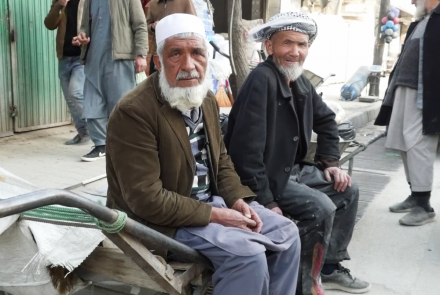
As the month of Ramadan approaches, many residents of Kabul report that rising poverty and unemployment have severely hindered their ability to meet basic living needs. They say the inability to provide food and daily necessities has doubled the economic pressure on families, increasing the demand for urgent aid.
These residents are calling on aid organizations and Taliban authorities to implement practical and immediate programs to support needy families before Ramadan begins. They emphasize that repetitive promises without tangible action have done little to alleviate the severity of the problems, leaving many households’ living conditions in a critical state.
Meanwhile, the Taliban’s Ministry of Economy has stated that it is implementing plans to reduce poverty and unemployment. Abdulrahman Habib, the ministry’s spokesperson, cited climate change, consecutive droughts, and economic sanctions as influential factors on the current situation. He said that improving economic conditions requires both national and international cooperation.
According to him, supporting the agriculture and livestock sectors, increasing domestic production, reducing dependence on imports, and managing water resources and infrastructure are priorities for the ministry’s programs. However, no specific details were provided about how these plans will be implemented or their timelines.
At the same time, some economic experts stress that without practical plans, transparency in resource management, and real investment, reducing poverty and unemployment will not be possible. Economic analyst Qutbuddin Yaqubi said that investing in major infrastructure projects and targeted support for small businesses can create sustainable employment opportunities and reduce families’ reliance on temporary aid.
On the international front, the United Nations Office for the Coordination of Humanitarian Affairs (OCHA) announced that, together with its partners, it will launch a 2026 plan to address the urgent needs of vulnerable people in Afghanistan. With the ongoing economic crisis and existing constraints, the level of needs among families is expected to remain high in the coming months.