US Intensifies Pressure on Taliban Over Detention of American Citizens
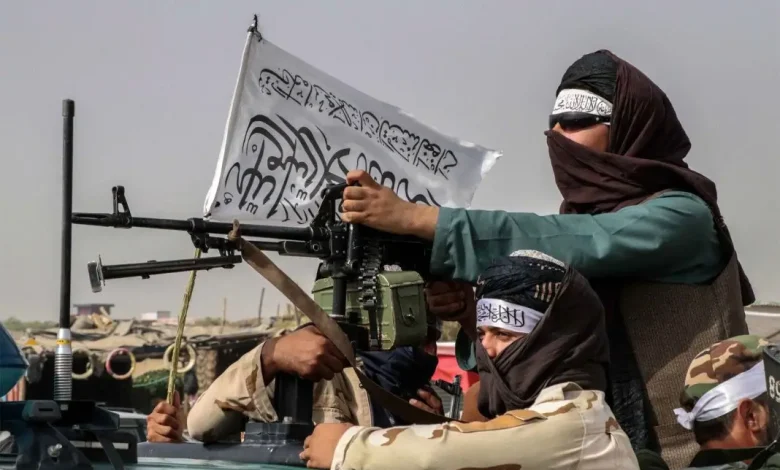
Amid the ongoing detention of several American citizens in Afghanistan, U.S. officials have announced they will increase pressure on the Taliban administration and will “not rest” until Dennis Quill and Mahmoud Habibi are returned to the United States. Sebastian Gorka, senior director for counterterrorism at the U.S. National Security Council, wrote on the social media platform X on Thursday, February 18, that securing the release of these individuals is a top priority for Washington.
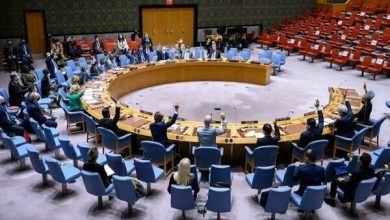
In continuation of these pressures, U.S. representatives at the United Nations Security Council have drafted a resolution to extend the mandate of the sanctions monitoring team for one more year. According to this draft, sanctions against entities affiliated with the Taliban administration—including travel bans, arms embargoes, and asset freezes—will continue. U.S. officials have cited human rights violations, widespread restrictions on women and girls, and the use of “hostage-taking as leverage” as reasons for this measure.
In January, Tom Burchett, a Republican member of the U.S. House of Representatives, introduced a bill titled the “No Taxpayer Dollars to Terrorists Act.” This legislation requires the U.S. State Department to develop a strategy to prevent financial support from countries and non-governmental entities to the Taliban administration, a move that could further limit the group’s funding sources.
On September 5, 2025, U.S. President Donald Trump issued an executive order allowing the State Department to designate countries as “State Sponsors of Unjust Detentions” and impose new sanctions. Some lawmakers have proposed including the Taliban administration in this list, which, if implemented, would have broad political and economic repercussions for Afghanistan.
Regarding Mahmoud Habibi, an Afghan-American citizen, the U.S. State Department has stated that he was detained by the Taliban administration more than three years ago. However, Taliban officials claim they do not know his whereabouts, a claim that has drawn criticism from human rights organizations.
These developments come as humanitarian agencies warn that about 40 percent of Afghanistan’s population is facing severe hunger and urgently needs aid. The simultaneous occurrence of political tensions and sanctions has heightened concerns about the country’s economic and humanitarian future.