Former Pakistani Islamist Leader Siraj-ul-Haq Meets Taliban Officials in Kabul to Discuss Bilateral Relations
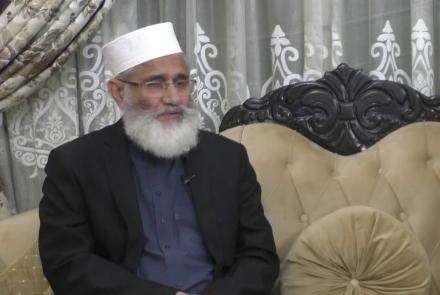
Siraj-ul-Haq, former leader of Pakistan’s Jamaat-e-Islami, visited Kabul last week and held talks with senior officials of the Taliban administration, including the Prime Minister and the Ministers of Interior and Foreign Affairs. The discussions focused on ways to improve relations between Kabul and Islamabad. He stated that the purpose of his trip was to explore strategies for reducing tensions and strengthening cooperation between the two countries.
In an interview with a Pakistani journalist, Siraj-ul-Haq said that Taliban officials emphasized during the meeting that they take responsibility for events occurring inside Afghanistan but consider incidents happening on Pakistani soil to be the responsibility of the Pakistani government. According to him, they made it clear that any actions taken within Afghanistan fall under their jurisdiction, and Pakistan should similarly accept responsibility for the security of its own territory.
The former Jamaat-e-Islami leader added that he spoke on behalf of the people of Pakistan and warned that continued tensions between Kabul and Islamabad would harm the populations of both countries. He also claimed that escalating disputes between Afghanistan and Pakistan benefit other countries, including India and the United States.
Meanwhile, political analyst Zalmai Afghaniar noted the historically strained relations between the two neighbors, highlighting Pakistan’s past involvement in regional policies and proxy wars that have adversely affected ordinary citizens. He emphasized that Afghanistan has consistently sought to resolve disagreements through dialogue.
This visit took place shortly after Sohail Afridi, the Chief Minister of Khyber Pakhtunkhwa province, expressed his intention to travel to Afghanistan with a delegation to hold talks with Taliban officials.
Relations between Afghanistan and Pakistan have experienced repeated political and security tensions in recent years. Despite numerous promises to manage these issues, tensions persist, and the absence of transparent and accountable mechanisms between the two sides has further complicated the situation.